Tuesday, 28 July 2026, 13:21
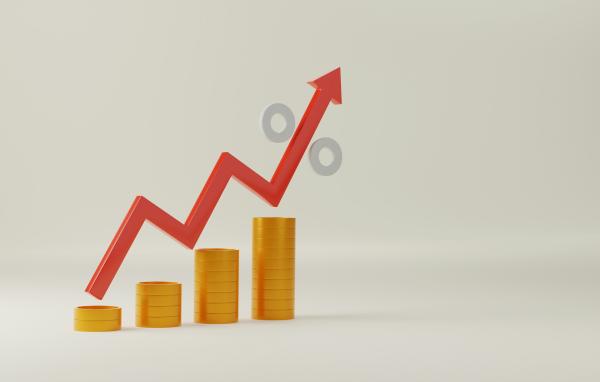
New Federal Reserve Chair Kevin Warsh has made it clear that the central bank will remain independent and prioritize bringing down inflation, likely dashing hopes for the rate cuts President Donald Trump has sought. In his first major remarks since taking office, Warsh outlined a cautious, data-driven approach that could lead to further interest rate hikes.
Speaking at a central bank conference in Sintra, Portugal, Warsh underscored the Fed's independence from day-to-day politics. “We’ve been an independent central bank for a very long time,” he said. “We’re going to be an independent central bank at this moment and you’re going to see no changes to that.” This stance directly addresses Trump's repeated calls for lower interest rates.
Warsh emphasized that the Fed will deliver price stability, warning that businesses or households expecting inflation above 2% would be “disappointed.” The Fed typically combats inflation by raising borrowing costs. Wall Street now expects a rate hike as soon as September, from the current 3.6% to roughly 3.9%.
Warsh's appointment on May 22 marked a shift from his earlier calls for lower rates during his campaign for the job. Since then, inflation has risen to a three-year high of 4.2% in May, driven by the Iran war's impact on gas prices. However, a recent peace agreement has led to declining gas prices, suggesting inflation may have peaked. Warsh noted that inflation expectations have moderated in recent months, as measured by surveys and bond prices.
Hiring has picked up, and economists forecast a solid jobs report with the unemployment rate remaining at a low 4.3%. This reduces pressure on the Fed to lower borrowing costs and supports the case for maintaining or increasing rates.
Warsh reiterated his view that artificial intelligence could expand the economy's productive capacity and reduce inflationary pressures over time. However, he acknowledged that short-term investments in AI infrastructure are pushing up prices for semiconductor and computing equipment. He has set up five task forces at the Fed to study AI and its impact on productivity.
While the Fed's decisions are national in scope, their impact is felt acutely in California. In Inyo County, where the economy relies on tourism, agriculture, and small businesses, higher interest rates could slow borrowing for home purchases and business expansion. The county's remote location and reliance on gas-powered vehicles make it particularly sensitive to fuel price fluctuations, which have recently declined. Local economists will be watching the Fed's next moves closely, as any rate changes could affect the cost of living and economic activity in rural communities like Independence.
Warsh's tenure begins with a clear message: the Fed will act independently to control inflation, even if it means disappointing the White House. With potential rate hikes on the horizon, businesses and consumers across California should prepare for a period of tighter monetary policy. Stay informed about how these national decisions affect your local economy.