Monday, 27 July 2026, 22:53
For months, the death of 37-year-old Joanna Ruth Shields, a Carlsbad native, near Sykes Hot Springs in Big Sur puzzled investigators and the public. Hikers found her body, naked except for a black bra, in a pool of water on April 9, with a cut on her forehead and markings around her neck that sparked fears of strangulation. The Monterey County Sheriff-Coroner's Office has now ruled her death natural, caused by seizures from alcohol withdrawal.
The coroner's determination was based on a forensic examination, Shields' medical records, and family information about her chronic alcohol use disorder. The neck markings were consistent with postmortem insect activity, not evidence of a crime. The forehead laceration was superficial and did not contribute to her death. Initial interviews of witnesses by KSBW 8 led to suspicions that the death was due to foul play. Detectives confirmed no foul play and closed the case.
Hikers who passed the pair on the trail described Shields' companion as 'cold and shaking,' and he identified himself as her friend. According to the group, the man told them that Shields had gone to the bathroom but did not return; he went looking for her and found her facedown in a pool of water. The man cooperated with the investigation, and the case was initially investigated as a 'suspicious death.'
Monterey County Sheriff's Office spokesperson Andres Rosas told KSBW 8, 'This is a probable seizure that occurred as a result of chronic alcohol use disorder, but there was nothing that stood out that indicated any type of criminal activity.'
Alcohol withdrawal seizures are a rare, yet very dangerous, symptom experienced by about 1% of people suffering alcohol withdrawal. They typically take place within six to 48 hours of the body undergoing a sharp decrease in blood alcohol levels after a prolonged period of heavy drinking.
Alcohol withdrawal syndrome occurs when a chronic heavy drinker abruptly stops or significantly reduces their alcohol intake. According to Harvard Medical School, the brain's overstimulation after quitting can be compared to an 'accelerating vehicle that has lost its brakes.' Symptoms may begin as early as six to 12 hours after the last drink, including headache, anxiety, irritability, and insomnia. Within 24 hours, hallucinations sometimes very detailed, such as seeing 'crawling insects or falling coins' can occur. The risk of life-threatening seizures peaks between 24 and 48 hours, while delirium tremens, a potentially fatal condition affecting breathing, circulation, and temperature regulation, typically sets in two to three days after cessation, though it can be delayed by more than a week in some cases. Risk factors include heavy drinking as defined by the NIAAA (for women: four or more drinks on any day or eight per week; for men: five or more on any day or 15 per week), age over 65, abnormal liver function, electrolyte imbalances, dehydration, coexisting health conditions, and a history of alcohol-related seizures.
A history of delirium tremens also increases the risk.
According to the NIAAA, withdrawal can occur after as little as two weeks of heavy drinking. In severe cases, seizures can be hours-long, with the greatest risk 24 to 48 hours after the last drink. Additionally, delirium tremens may cause a racing heart, blood pressure fluctuations, and reduced blood flow to the brain. While mild symptoms may resolve on their own, moderate to severe cases often require medical intervention.
Treatment may involve medications to prevent seizures and delirium tremens.
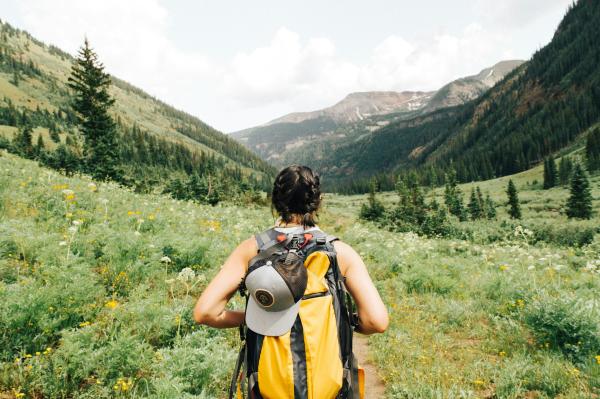
Shields' body was found in the Ventana Wilderness of Los Padres National Forest, accessible via the challenging Pine Ridge Trail a 10-mile out-and-back hike to Sykes Hot Springs geothermal-heated pools along the Big Sur River with approximately 5,000 feet of elevation gain and multiple river crossings. The area, known for its rugged beauty and Sykes Hot Springs, is a popular but demanding destination for hikers in Monterey County.
According to investigators, Shields had a history of bipolar disorder and alcoholism. Her sister reported that Shields had suffered alcohol withdrawal seizures in the past but had been sober for a period. Around Thanksgiving 2024, she stopped taking prescribed psychiatric medications, using psilocybin and marijuana instead, leading to a decline in mental health, paranoia, and eviction. She later sought treatment in Illinois before returning to California.
Friends and family remember Shields as an adventurous, kind-hearted woman who loved skateboarding, surfing, and nature. She was a passionate skater and worked as a brand ambassador for Evolve Skateboards. Sheriff-Coroner Tina Nieto offered condolences, stating, 'Our thoughts and prayers remain with Joanna's family and loved ones. We hope these findings provide them with some measure of peace and closure after several difficult months.' The case underscores the dangers of alcohol withdrawal and the importance of mental health support. A GoFundMe campaign has been set up to assist with funeral expenses and travel costs for the family.