Monday, 27 July 2026, 22:51
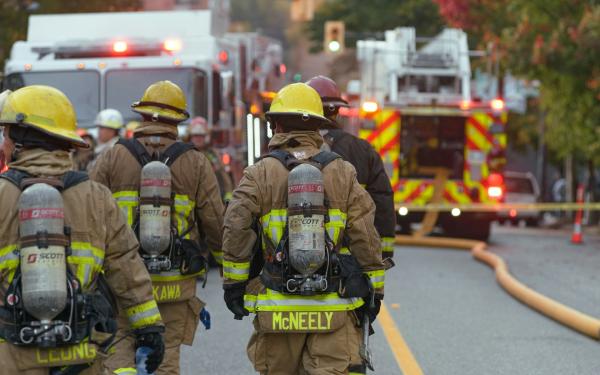
Benton County Fire District 6 is facing a critical funding gap that has led to dangerously long response times. Fire Chief Rolland Watt warns that without voter approval of an emergency medical services levy, the district will have to cut services, leaving residents waiting up to 40 minutes for help during simultaneous emergencies. The levy measures will appear on the Aug. 4 primary election ballot and need a simple majority to pass.
In recent years fire districts have been hit hard by levy compression, causing their tax collection to fall behind booming population in the region. Levy lid lifts allow voters to sign off on more revenue for fire districts, which are constrained under state law to just 1% annual increases in tax revenue.
The proposed levy is a renewal of an EMS levy that expired 18–19 years ago. The cost is set at $50 per year for every $100,000 of assessed property value, and it would raise at least $4.2 million over the next 10 years. On a property valued at $300,000, taxpayers would pay about $150 a year. That house’s total taxes from Fire District 6 would be about $570 annually. Chief Watt emphasized that the funding is essential to replace aging equipment and hire additional personnel. The levy would allow the district to add three full-time firefighter-EMS staff. "It's coming to a point to where we're going to have to start cutting, and that's drastic no matter what we do," Watt said.
Fire District 6 employs six career firefighters and a chief, along with a dozen paid on-call personnel, operating out of three stations in Paterson, Plymouth, and Sunheaven. While the district has used reserves to purchase a new truck, ambulance, and add living quarters, it struggles to respond to multiple calls with its current staff size.
Currently, if crews are tied up on one emergency, a second call can result in a 30- to 40-minute wait for crews from neighboring cities like Kennewick or Prosser to arrive. This delay is unacceptable for life-threatening situations. The district serves 800 residents throughout 279 square miles around Plymouth and Paterson, as well as thousands of agriculture, wine, and food workers who drive in for work each day. Daytime coverage in Plymouth is particularly weak because many personnel work outside the district. Chief Watt noted that adding staff in Plymouth means fewer responses coming 15 minutes away from Paterson, which can mean the difference between life and death.
While this story is set in Benton County, Washington, it serves as a cautionary tale for rural fire districts in California, particularly in Mono County and Apple Valley, where similar funding challenges and growth pressures exist. Many California districts rely on volunteers and face long response times during peak hours.
Fire District 4, serving 25,000 residents in West Richland, is also asking voters for a levy lid lift. The measure would restore a $1.50 fire levy rate that has fallen to $1.31 per $1,000 of assessed value, providing an extra $30 million over 10 years. The lid lift would increase annual revenue about 6% on average. The increase would allow hiring six firefighters, replacing an old fire engine, and improving water rescues and fire/life safety prevention programs. For a home valued at $350,000, the increase amounts to an extra $67 per year. In total, FD4 taxpayers would pay $2 on every $1,000 of assessed value, including an existing 50-cent EMS levy. FD4 responded to nearly 2,400 emergencies last year, 70% of which were medical calls. Call volume has increased 160% since 2010, and the district faces a staffing gap of about 15 firefighters, adding only three per year. The district's population is projected to grow to about 32,000 residents over the next 20 years, and call volumes could double. Rising costs have also strained the district: in one year, cybersecurity upgrades increased by 251%, parts and maintenance by 220%, and personal protective equipment by 129%.
The EMS levy was originally in place nearly two decades ago but was not renewed. Chief Watt says he is unsure why the tax lapsed, but costs have since risen significantly and the district has struggled to keep pace with population growth, especially in Plymouth. The levy would provide a dedicated local funding stream that cannot be diverted elsewhere.
Voters in Benton County Fire District 6 will decide the fate of the EMS levy in the upcoming election. If approved, the measure will help ensure faster emergency response and safer communities. For residents, the choice is clear: invest in local emergency services or risk longer waits that could cost lives.