Tuesday, 28 July 2026, 1:56
Media and politicians often focus on homeless individuals with severe psychosis, but a quieter crisis affects many more: anxiety, depression, and PTSD. A UCSF study found 48% of homeless Californians report serious depression and 51% anxiety. Street therapists like Anthony Villanueva of One Community Health meet patients where they are—on park benches, in tents, or on sidewalks—to provide care that helps them navigate the daunting housing process. Doctors, nurses and clinicians who work with people on the street told CalMatters the numbers are even higher, estimating between 80% and 90% of their patients have a mental health condition that could benefit from therapy – most commonly depression, anxiety and PTSD.
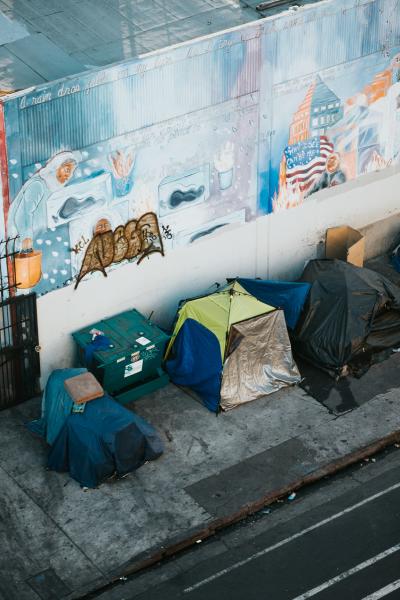
Jessica Scott, a former homeless woman in Sacramento, credits therapy with helping her move from her stepfather's car into an apartment. Her sessions, once held on a park bench, taught her breathing exercises to manage panic. “When you’re panicking so much that you can’t really talk to people, it’s difficult to do anything,” she said. Her most recent session in early July was on a blowup couch in her new living room. Clinicians like Villanueva provide this care as part of street medicine teams, which have grown from a grassroots movement in the 1990s to at least 70 teams in 34 counties, thanks to state Medi-Cal billing changes in 2022. Lisette Carmona, a therapist in Los Angeles, echoes this approach: “You can find me on the riverbed, you can find me in a tent. … Wherever the patient is comfortable, that’s where I’m conducting their therapy.” Yet demand far exceeds capacity: one street psychiatrist said his team can provide therapy to just 5% of the patients that could use it. Carmona added, “I have no capacity to see the amount of patients that we have.”
In Oakland, LifeLong Medical Care’s Trust Health Center sends teams to encampments, while in Los Angeles, USC street medicine teams serve Skid Row. Estela Lopez, who runs a business improvement district there, reports 131 broken streetlights and 27 children living on the streets, calling it a “greatest failure in government.” Dr. Susan Partovi, a street medic, advocates for proactive intervention, noting that many are left in gutters with untreated mental illness. In San Diego, street medicine teams are also working to fill the gap, but the need remains overwhelming. Dr. James Dunford, a street medicine physician in San Diego, said, “We are seeing people who have been living on the streets for years, and they have complex medical and mental health needs that are not being met.”
California’s homeless population is nearly 182,000, and street medicine emerged in the 1990s as a grassroots effort. The state’s 2022 Medi-Cal billing expansion helped teams grow, but they remain vastly outnumbered. Without therapy, many who get housing risk eviction due to unmanaged emotions, perpetuating the cycle of homelessness. The housing process is difficult and complicated, requiring people to go to the DMV to replace lost identification, answer a lengthy list of questions to determine their eligibility and apply for multiple waiting lists. It can take months or even years, often with plenty of setbacks along the way. “It’s kind of a daunting process for anybody,” said Joann Bianchi Wojick, associate behavioral health director of LifeLong Medical Care’s Trust Health Center. “But when you’re feeling anxious or depressed, and you have more difficulty organizing your thoughts and your to-do list and your actions, it can feel so overwhelming.” Once someone does get into housing, if they haven’t already learned to regulate their emotions in therapy, they risk lashing out at their landlord or new neighbors, leading to eviction.
Street therapy is not just about comfort—it’s a critical tool for breaking the cycle of homelessness. As Dr. Katherine Koh, a street psychiatry pioneer, says, “Just meds alone is rarely going to be the solution. It’s teaching people the skills to maintain housing.” Expanding these services is essential for California’s homeless crisis.