Friday, 7 August 2026, 22:01

Governor Gavin Newsom issued a sharp rebuke Thursday after the Federal Communications Commission (FCC) moved to weaken broadcast media ownership protections. In a statement from Sacramento, Newsom framed the decision as a direct threat to independent, local journalism.
In a statement released on Thursday, August 7, Newsom said the Trump administration "continues to chip away at the foundations of our democracy, one decision at a time, to pave the way for a propaganda machine for his MAGA agenda." The governor specifically called out FCC Chairman Brendan Carr, who is leading the effort.
This attack on independent, local news is straight out of a dictator's playbook. A free press is essential to a free society.
Newsom argued that today's move "flagrantly flouts longstanding limits on media monopolies set by Congress." He warned it will make it easier for Trump, "through his proxies and toadies, to control what Americans see, hear, and read."
The FCC's decision weakens ownership rules that prevented broadcast media conglomerates from consolidating too much control in local markets. According to Newsom, the change goes against limits established by Congress to preserve a diverse media landscape. There has been no immediate response from the FCC or the White House.
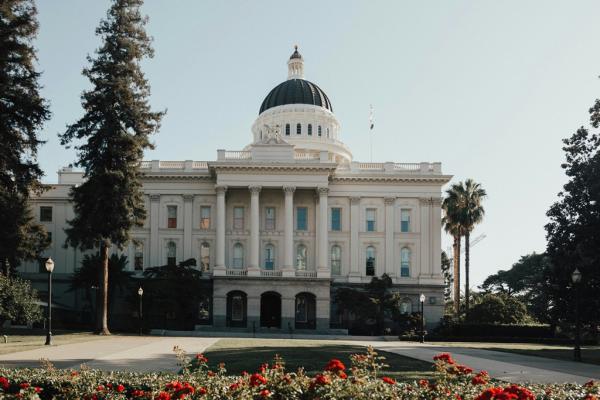
Sacramento, the state capital, is where the governor issued his statement. California is home to hundreds of independent and community stations, and local news outlets across the state have already struggled with shrinking revenue. Newsom's warning highlights how federal policy can directly affect what Californians see on local television.
Media ownership limits have existed for decades to prevent any one company from controlling too much of the broadcast market. The rules were designed to promote a diversity of voices and editorial independence. Newsom's statement reflects a growing clash between state leaders and the Trump administration over the future of media regulation.
Newsom's statement signals that the fight over media independence is far from over. For Californians, the FCC's decision could ultimately determine how many local voices survive on broadcast airwaves.