Saturday, 8 August 2026, 8:58
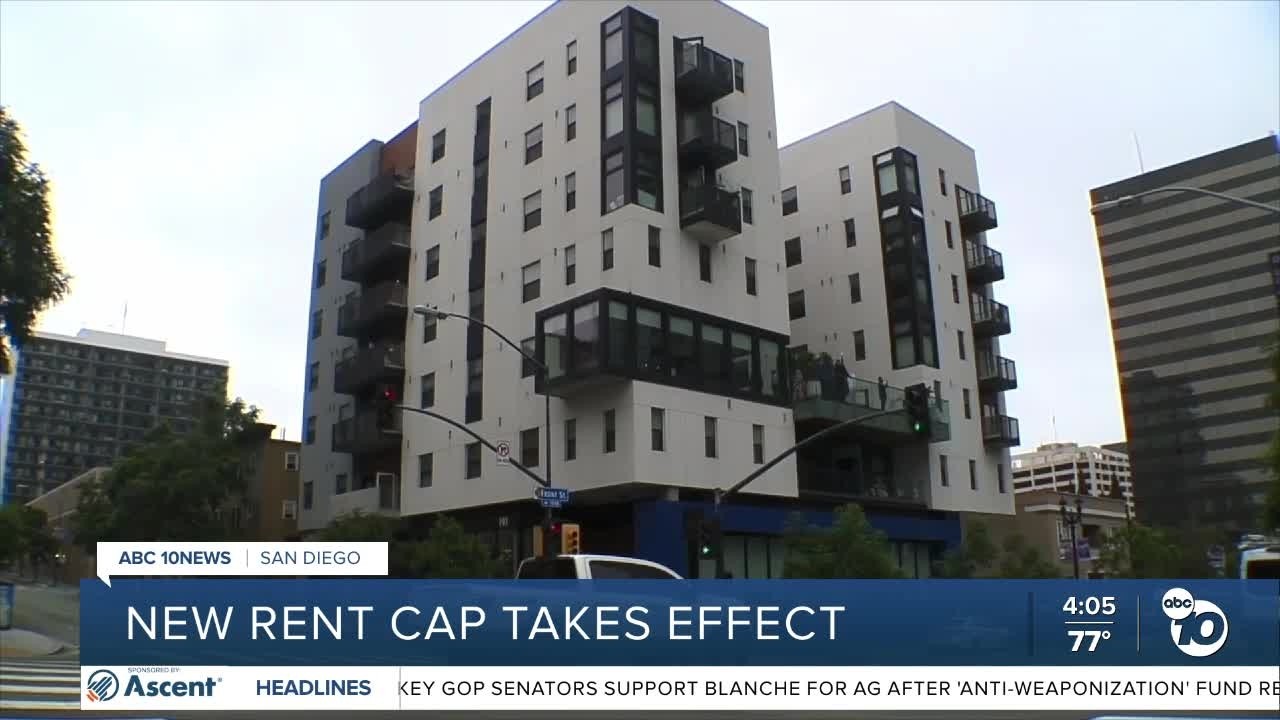
Under Assembly Bill 1482, landlords in California cannot raise rent more than 8.2% over a 12-month period. The Tenant Protection Act allows increases of 5% plus the rate of inflation, with a hard ceiling of 10%, whichever is lower. The new cap took effect August 1 and runs until July 31, 2027.
Not every rental is covered. Housing built within the last 15 years, duplexes where the owner lives in one unit, and single-family homes and condos that are not owned by corporations are exempt. Tenants in those situations must receive a written exemption notice.
In San Diego County, the cap fell from 8.8% to 8.2%, making it the only metro area with a lower limit than the year before, KGTV reported. Rafael Bautista of the San Diego Tenants Union said the reduction is not enough.
"8.2% in increase year after year is way too excessive, and it's hurting tenants."
Landlord groups say owners face rising costs too. Molly Kirkland of the Southern California Rental Housing Association pointed to higher insurance, maintenance, labor, and parts as factors that can influence rent decisions.
Steven Greenhut of the Pacific Research Institute's Free Cities Center argues rent control is "an extremely bad idea" because price controls suppress supply. "The answer is to build more housing," he said.
Statewide caps are a floor, not a ceiling, for tenant protections. Local laws can be stricter. In Los Angeles, landlords can only increase rent by up to 100% of the change in the Consumer Price Index, with a maximum of 8%; if the CPI change is below 3%, the cap is 3%. In Santa Monica, the local ordinance limits increases to 75% of CPI change, with a maximum of 3%, according to rent control official Rose Patel.
State law also requires landlords to give at least 30 days of written notice before any rent increase takes effect. Renters should verify whether their unit is covered and review their lease terms.
AB 1482, signed in 2019, created California's first statewide rent cap and added just-cause eviction protections. It was designed to address a housing affordability crisis that pushed rents faster than wages in many coastal cities. The law is set to remain in effect until July 31, 2027, though local ordinances can add stronger protections.
Renters should check if their unit is covered, know their local rules, and watch for written notice before any increase. With rents still high and local limits varying, understanding the new cap is a critical step for tenants and landlords alike.