Tuesday, 28 July 2026, 3:33
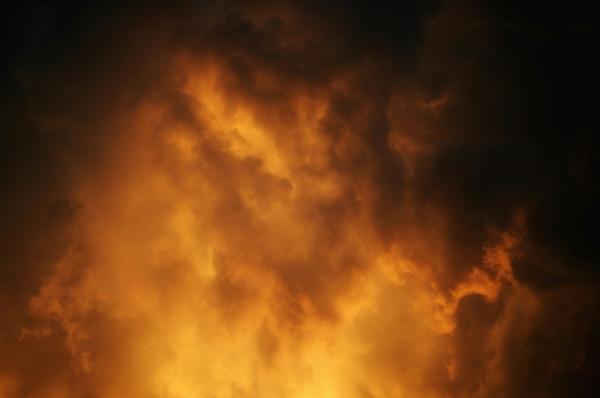
As fire season intensifies in California, Cal Fire has completed the first phase of a $12 million upgrade at its Air Attack Base at Ramona Airport in San Diego County. The project replaced an aging tarmac to accommodate modern firefighting aircraft, including a C-130 Hercules capable of carrying 4,000 gallons of fire retardant and a Cal Fire Hawk helicopter. The new aircraft have already been deployed on recent wildfires, helping crews suppress blazes quickly, according to Cal Fire Capt. Mike Cornette. “We’ve seen this in action quite a bit in the last month or so. We’ve been able to quickly suppress all the fires fairly quickly just because of the added increased capacity of these air tankers and the speed at which we’re able to get to the fires as well,” Cornette told ABC 10News. Staffing at the base has increased from about 10 to as many as 40 personnel daily, improving response times and overall firefighting capacity. “In the last 20 years, we’ve seen explosive fires -- some of the most destructive and largest fires we’ve seen in California’s history. So being able to update the facility, upgrade our aircraft, is key to being able to meet the changing environment that we’re seeing with wildland fires, especially here in San Diego,” Cornette said.
Meanwhile, in Southern California's Antelope Valley, the Summit Fire has burned 2,690 acres as of Saturday evening, with containment reaching 8%, according to Cal Fire. Firefighters continue to gain the upper hand on the blaze.
President Trump, speaking at a NATO summit in Turkey on July 8, said the ceasefire agreement with Iran is “over” following a series of military exchanges. The US struck more than 80 targets in Iran, including air defense systems, radar sites, and 60 IRGC boats, in response to Iranian attacks on three commercial ships in the Strait of Hormuz. Iran retaliated by targeting US military facilities in Kuwait and Bahrain, with Kuwait reporting interception of 15 missiles and drones. Trump criticized allies for not offering support, stating, “We don't need anybody's help.” NATO Secretary General Mark Rutte described the US strikes as “absolutely necessary,” while Iran’s parliamentary speaker accused the US of breaching the memorandum of understanding (MoU).
The U.S. carried out another round of strikes on Iran on Wednesday, hours after Trump's declaration. Military officials said the latest strikes were intended to “further degrade” Iran’s ability “to threaten freedom of navigation” in the Strait of Hormuz, through which a fifth of the world’s traded oil and natural gas passed before the war began. Iranian state media reported explosions in several locations, including the southern port cities of Bandar Abbas and Sirik, as well as Bushehr, home to Iran’s nuclear power plant complex. Trump posted videos of what he said were explosions in Iran and warned, “If it happens again, it will get much worse!” He also renewed threats to hit Iran’s civilian infrastructure, including electric plants and desalinization plants, and to seize the oil-production hub of Kharg Island, through which some 90% of Iranian oil exports pass.
During the summit, Trump launched an angry broadside, calling Iran’s leadership “scum” and “sick people,” and complained that NATO allies “didn’t want to help us with the number one state sponsor of terror, that’s Iran.” He also renewed his demand for Greenland, calling it “a big problem for us,” and threatened to cut off all trade with Spain over its refusal to meet NATO’s 3.5% GDP defense spending target. Rutte attempted to defuse tensions by flattering Trump, noting that he had persuaded allies to increase defense spending to US levels by 2035, a feat that had eluded previous presidents.
In a flurry of remarks during numerous press events on his final day at the NATO summit, Trump also signaled the U.S. would reimpose its naval blockade in the Strait of Hormuz. Later, he seemed to downplay the nuclear threat posed by Iran, while ruling out the need for any U.S. troops on the ground in the country. “We've already got the nuclear material because it's so far underground, nobody's going to be able to get it except us, because we have the equipment that can get it,” Trump told reporters during a meeting with Syrian President Ahmed al-Sharaa, referring to the aftermath of U.S. attacks on Iranian nuclear sites last year. The nuclear assessment marked a pivot from his justification for the Iran war, which he began Feb. 28. Trump has cited his concern that Iran was on the brink of developing a nuclear weapon for continuing the conflict. When asked how the U.S. plans to achieve its nuclear goals with Iran in light of the apparent collapse of their ceasefire deal, Trump suggested that the U.S. was under no pressure to collect Iran's nuclear material — even though a key component of the deal was an agreement to “resolve the disposition of stockpile enriched material” in Iran. When asked if that means the U.S. has no plans to put boots on the ground in Iran, Trump said, “Why would I go in now?” “I go in when they're completely, either eliminated ... or an agreement's made,” he added.
Trump said Washington's delegation wanted to negotiate a peace deal, but that he saw it as “a waste of time dealing with” the Iranian side. In another meeting with Ukraine President Volodymyr Zelenskyy later Wednesday, Trump said the U.S. will “very probably” attack Iran “hard again tonight.” “I'll give him a little warning. We're going to hit them hard tonight, but we'll see how it all works out,” Trump said. Defense Secretary Pete Hegseth, who was also attending the meeting, confirmed that “tonight, if we need to, on your order, Mr. President, we will hit even more and even deeper” into Iran. Trump added that the U.S. may also reimpose its naval blockade against Iranian ports near the Strait of Hormuz, the vital oil route that has been the flashpoint for the latest hostilities. “We may put it back, the blockade, and it'll only be a blockade for Iran,” Trump said.
The fragile ceasefire between the United States and Iran appeared to collapse on Wednesday as both sides exchanged fresh military strikes across the Gulf, reigniting regional tensions, disrupting maritime security in the Strait of Hormuz, and prompting widespread condemnation from Arab governments. The US military launched a new wave of strikes overnight against military targets in southern and southwestern Iran, targeting air defence systems, coastal surveillance sites, anti-ship missile batteries, drone launch facilities, and radar installations, according to a US official cited by Reuters. US Central Command said it had struck more than 80 targets in its latest operation, following attacks on commercial shipping in the Strait of Hormuz. Iran responded by announcing missile and drone strikes against what it described as US military facilities across the region. The Islamic Revolutionary Guard Corps (IRGC) said it had targeted 85 American military sites, including installations in Bahrain and Kuwait, while the Iranian army said it launched drone attacks against US forces stationed at Sheikh Isa Air Base in Bahrain, warning that all American bases in the region had become “legitimate targets.” Kuwait said its air defence systems intercepted incoming projectiles, while Bahrain activated missile warning sirens for the second time in recent days. Neither country immediately reported casualties or damage. President Donald Trump declared that the ceasefire with Iran was “over” during a meeting with NATO Secretary-General Mark Rutte on the sidelines of the alliance’s summit in Ankara. He warned that Washington was prepared to launch another major strike against Iran later in the day. “Iran will never obtain a nuclear weapon,” Trump said, accusing Tehran of violating the temporary agreement by attacking commercial shipping in the Strait of Hormuz. He added that US forces had identified the locations of Iran’s nuclear materials and possessed the capability to recover them. Iran condemned the latest US strikes as a blatant violation of both the ceasefire memorandum signed last month and the UN Charter. The Foreign Ministry said key elements of the agreement had effectively become meaningless following repeated American attacks, the cancellation of US licences permitting Iranian oil exports, and continued Israeli military operations in Lebanon. The escalation followed attacks on commercial vessels transiting the Strait of Hormuz, including the Qatari tanker Al Rukayyat. Qatar summoned Iran’s deputy ambassador to lodge a formal protest, describing the attack as a serious threat to international navigation and global energy security. Iran maintained that it remained committed to managing maritime traffic under the terms of the memorandum but warned that any further military action could lead to the closure of the Strait of Hormuz. Iranian state media quoted an informed source as saying Tehran would shut the strategic waterway if subjected to additional attacks. The International Maritime Organization said around 6,000 seafarers remain stranded aboard vessels in the Gulf because of the deteriorating security situation and urged shipping companies to avoid transiting the Strait of Hormuz until conditions improve. The renewed confrontation triggered a wave of regional condemnation. Egypt denounced Iran’s attacks on Kuwait and Bahrain as a flagrant violation of their sovereignty, reaffirming that Gulf security is an integral part of Egypt’s national security. Saudi Arabia and Qatar also condemned the attacks, while Oman warned that continued military escalation threatens international trade and global energy supplies, calling on all parties to return to dialogue and implement the existing understandings. Meanwhile, NATO leaders reaffirmed in their summit declaration that Iran must never acquire nuclear weapons and called on Tehran to respect freedom of navigation through the Strait of Hormuz.
The United States launched new airstrikes against Iran early Thursday, and Tehran responded by hitting Bahrain, Kuwait and Qatar in crossfire that again threatened an interim deal intended to help end the war in the Persian Gulf. The strikes came hours after U.S. President Donald Trump said recent Iranian attacks on ships in the Strait of Hormuz signaled the end of the fragile ceasefire. The U.S. struck a variety of military sites and port facilities early Wednesday following Iran’s targeting of several merchant vessels off the coast of Oman, sparking Iranian fire then as well. But Thursday’s attacks appeared bigger all around, with sirens sounding at least twice in Bahrain, home to the U.S. Navy’s 5th Fleet headquarters. There was no immediate word of damage in the three Gulf Arab countries. Kuwait’s military said it was actively intercepting incoming drones and missiles. Iran’s Revolutionary Guard claimed attacks on Bahrain and Kuwait. Military officials said in a social media post that the latest strikes were intended to “further degrade” Iran’s ability “to threaten freedom of navigation” in the strait, through which a fifth of the world’s traded oil and natural gas passed before the war began with U.S. and Israeli attacks on Feb. 28. Iranian state media reported explosions in several locations, including Bushehr, home to Iran’s nuclear power plant complex, and the southern port cities of Chabahar, Konarak, Bandar Abbas and Sirik. In Iranshahr, authorities said a strike killed a firefighter at an airport. For the first time since April, it also appeared the U.S. strikes targeted Iranian bridges. State media reported a strike on a railway bridge in Iran’s northeastern Golestan province. The Guard said two bridges had been attacked on the way to Mashhad, where officials plan to bury the late Ayatollah Ali Khamenei on Thursday. It wasn’t clear if the Golestan attack was the same one mentioned by the Guard.
After leaving a NATO summit in Turkey, Trump posted several videos on his social media site of what he said were explosions in Iran and issued another warning to the Islamic Republic. “This is in retribution for yesterday’s bombing of ships by Iran. If it happens again, it will get much worse!” Trump wrote. Trump had said earlier in the day that the latest back-and-forth fighting would not result in “long-term” military action. “Anything that happens is going to happen very fast,” Trump said, though he also suggested the U.S. military might “just finish the job.” Trump also renewed his past threats to hit Iran’s civilian infrastructure, including electric plants and desalinization plants, and to seize the oil-production hub of Kharg Island. After three tankers were hit Tuesday, the U.S. launched strikes on Iran, and Iranian forces retaliated by targeting American military sites in the Persian Gulf.
Oil and gas prices rose today after the U.S. attacks on Iran. Gas prices edged up to $3.80 per gallon after having dropped during the ceasefire agreed to in the memorandum of understanding between the two countries. Brent crude surged 5.2% to $78/bbl — reversing six weeks of post-ceasefire price relief — as war-risk insurance for Hormuz transits was suspended and tanker rates spiked 40%.
On Thursday, July 9, the US Central Command said it had completed its second round of air strikes against Iran, attacking about 90 military targets. Kuwait reported at least one person wounded in the attacks, and Jordan said it intercepted a missile attack launched by Iran, with the IRGC confirming targeting Jordan's Al-Azraq Air Base as part of the second phase of retaliation. Iran's Foreign Ministry accused Washington of committing a “gross war crime” and breaching the ceasefire agreement, reporting at least 14 people killed and 78 wounded in the US strikes. Traffic through the Strait of Hormuz came to a near-standstill amid the exchange of fire.
According to a report from the Chosun Ilbo on July 10, the 60-day ceasefire between the U.S. and Iran, which took effect on June 18, collapsed after just three weeks. Trump stated that Kharg Island, Iran’s largest oil export terminal in the Persian Gulf, was also a target, but it remains unclear whether the airstrikes on Kharg Island actually occurred. On his return flight after the summit, Trump mentioned, “Iran called a little while ago, and they desperately want an agreement,” but expressed distrust, stating, “I don’t know if they will properly implement negotiations.” Internal tensions in Iran have also escalated. On the 6th, the third day of the late Supreme Leader Ali Khamenei’s funeral, President Masoud Pezeshkian, a moderate and pro-negotiation figure, narrowly avoided being attacked by a mob. Foreign Minister Abbas Araghchi, who has led negotiations with the U.S., was reportedly struck by stones thrown by the crowd, according to the New York Times. The conflict’s root lies in the Strait of Hormuz. The previous memorandum of understanding (MOU) between the U.S. and Iran only agreed in principle to resume navigation through the strait but did not specify which side would manage and control passage. This ambiguity has become the biggest trigger destabilizing the ceasefire, as both sides interpret the vague clause in their own favor.
At the centre of the resurgence of fighting was the Iranian claim that ships must traverse the strait only with its permission. Tehran wants ships use a northern passage and says a US-sponsored southern route close to the Omani coast breaches a clause in the MoU that left Iran in control, though under an obligation to use its best endeavours to restore shipping traffic to pre-war levels within 30 days, including by demining the strait. The US Treasury also revoked a temporary sanctions waiver for Tehran to export oil, one of the few tangible benefits Iran had from the MoU. Iran, which said eight army and navy personnel had been killed in the earlier wave of US strikes, responded with attacks on US military sites in Bahrain and Kuwait. The IRGC said 85 facilities had been targeted. Air raid sirens were heard three times in Bahrain and twice in Kuwait. The exchanges pushed oil prices up sharply on Wednesday.
Trump later tempered his remarks, saying he did not think a return to full-scale war was likely and that the fighting would be over quickly. “They hit a few ships and so we hit them much harder”, but “we do not intend to continue in the long term”. He also said he believed Israel could yet withdraw from southern Lebanon, one of Iran’s key demands. It is possible Trump felt pressure to soften his tone as oil prices rose sharply and Nato allies such as the UK, France and Germany called on him to focus on a peace agreement with Iran.
Iran announced earlier on Wednesday that it was implementing a new strategic and military doctrine in which it would make no distinction between the US and its allies in the region, a reference to the Gulf states.
On Thursday, July 9, sirens sounded in Jordan as well, where the U.S. has stationed troops and aircraft. An Iranian official accused the U.S. of launching an airstrike later Thursday targeting the area around Iran’s sole nuclear power plant, and other explosions were reported elsewhere in the country during the afternoon. In Iran, the two days of American airstrikes have killed at least 14 people and wounded 78 others, Iran’s Health Ministry said Thursday. Most were reportedly members of the armed forces. In Kuwait, the military said falling debris wounded one person as the nation shot down three ballistic missiles, a cruise missile and 10 drones. Bahrain said it shot down incoming fire, without elaborating, and Jordanian government spokesman Mohammad al-Momani said all incoming fire from Iran had been intercepted. Iranian state TV said the country’s paramilitary Revolutionary Guard fired missiles at a U.S. base in Jordan. There was no immediate word of damage in Qatar. The U.S. military’s Central Command said it hit 90 targets across Iran, releasing black-and-white recordings of what appeared to be strikes on an airport runway and missile launchers. Traffic has picked up somewhat since a tentative deal last month included opening the waterway. Maritime data company Lloyd’s List Intelligence said Thursday that preliminary data showed at least 576 ships passed through the strait in June, compared with 233 in May. More than 3,100 transited the strait in June 2025. The state-run Islamic Republic News Agency quoted Ehsan Jahanian, a local official in Bushehr, as accusing the U.S. of striking near the plant around noon, hours after the U.S. military’s Central Command said it had ended its latest round of strikes on Iran. Asked for comment on Bushehr, Central Command referred to a news release that detailed targets but made no mention of the nuclear power plant. During the war, several strikes hit the area around the plant but didn’t damage it. Parliament Speaker Mohammad Bagher Qalibaf, a key negotiator in talks seeking a permanent end to the war, was defiant in a post Thursday morning on X: “America still hasn’t learned that bullying and breaking promises are no longer cost-free. Let me put it plainly: If you strike, you’ll get hit.” Meanwhile, Iranian Foreign Minister Abbas Araghchi said he spoke with his counterparts to de-escalate tensions.
Iranian state TV reported that further explosions were heard on Abu Musa Island, one of three small islands claimed by the United Arab Emirates which provide the backbone of Iran’s control of the Strait of Hormuz. Iran’s Mehr news agency reported that the attacks on Bushehr province did not cause damage to the Bushehr nuclear power plant. US stock markets fell on Wednesday and Brent crude, the global oil benchmark, jumped more than 5% to close to $80 a barrel, with the economic impacts of the war continuing to reverberate around the world. US Senator Bernie Sanders criticized Trump’s action, saying in a post on X: “Restarting his reckless war with Iran won’t make America stronger. It will cost more lives and waste more taxpayer dollars.” He added that “after getting the United States into a war based on lies, Trump has now declared the ceasefire with Iran ‘over’ after less than a month.” On his return trip from the NATO summit, Trump denied that security concerns involving Iran were behind the surprise decision to fly part of the journey on an older Air Force One, and not the new Qatari-gifted jet he arrived in. Asked if he was aware of any credible threats against Air Force One by Iran, Trump brushed off the question: “I have a threat all the time. I’m number one on their list.”
The confusion and uncertainty in Trump’s mixed messaging and his approval of back-to-back military strikes leave major questions about what comes next in the conflict, just weeks after difficult diplomacy to reach even an initial deal between the longtime adversaries. The whipsawing rhetoric could be a strategy to increase the pressure on Tehran to stop attacking ships transporting oil and natural gas in the Strait of Hormuz and bend to U.S. demands on its nuclear program — something Trump has tried before. Whether it is a negotiation tactic or a signal of an escalation in fighting, mediators are scrambling to save the interim deal and the actions risk further inflaming tensions — which could spell problems for Republicans in November’s midterm elections if gas prices stay high. A regional intelligence official involved in the mediation efforts said the conflict had reached a critical stage as mutual mistrust rises. But high-level communications are happening around the clock to salvage the ceasefire, said the official, who spoke on condition of anonymity to discuss the delicate behind-the-scenes negotiations. The foreign ministers of Pakistan and Qatar, as well as Egypt’s intelligence chief, are leading the efforts, while Turkish President Recep Tayyip Erdogan — whose country hosted the NATO summit that wrapped Wednesday — and leaders from Saudi Arabia are also involved, the official said. The U.S. is upset about ships being attacked in the Strait of Hormuz and accuses Iran of slow-playing discussions on curtailing its nuclear program, the official said. Nuclear talks were a major next step to try to turn the interim deal announced last month into a lasting end to the war. Tehran, meanwhile, says Washington is the one violating the agreement regarding the strait and failing to ensure that a ceasefire in Lebanon, including an Israeli withdrawal, is being implemented, the official said. Michael Eisenstadt, a former U.S. military analyst who now directs the Military and Security Studies Program at the Washington Institute for Near East Policy, said that “we’re still in negotiating mode, no matter what the president says.” “This is part of negotiating, and declaring that the MOU is over is part of the negotiation as well,” Eisenstadt said, referring to the memorandum of understanding that the ceasefire was built on. Trump, though, has been explicit in public comments, saying he’s lost interest in preserving the ceasefire: “I think it’s over.” “We can play games, but I’m not sure I want to make a deal,” he said during the NATO summit in Ankara, Turkey, adding that the U.S. military might “just finish the job.” Parliament speaker Mohammad Bagher Qalibaf, Iran’s lead negotiator, said the Trump administration had repeatedly violated the terms of the initial pact, forcing the country to respond appropriately. “The era of bullying and extortion is over,” Qalibaf posted on X. “It leads nowhere. We don’t fold.”
On Friday, July 10, Trump took to Truth Social to reiterate his declaration that the ceasefire is over, writing: "The Islamic Republic of Iran has asked us to continue “talks.” We have agreed to do so, but the United States has stated to them, in no uncertain terms, that the Cease Fire is OVER!" American forces struck 90 targets across Iran, and Tehran fired back at U.S. allies in Bahrain, Kuwait and Qatar, which pushed the fragile ceasefire to collapse. At least 14 people have been killed in Iran. Trump warned the situation will worsen if Iran continues attacking ships in the Strait of Hormuz. Meanwhile, Israel warned the United States that Iran devised a new plan to assassinate Trump. Two sources say the warning came this week and involved a specific plot. The Wall Street Journal also reported on the alleged assassination plot, citing Israel as the source of the intelligence. Some American officials believe the Israeli warning may be an attempt to influence Trump's decisions on Iran. The warning comes as Iranians displayed hostility toward the U.S. president. Numerous signs calling for Trump's death were displayed this week during the funeral for late Supreme Leader Ayatollah Ali Khamenei. There were reports overnight that some ships may have been able to transit the Strait of Hormuz, though the situation remains uncertain. The price of gasoline has begun rising as the conflict re-escalates.
On Friday, July 10, senior U.S. officials said the U.S. is demanding that Iran’s leadership publicly state that ship traffic in the Strait of Hormuz has been fully restored. The officials, who spoke on condition of anonymity, said they are making progress negotiating with top Iranian leaders, but want Tehran to issue a statement saying Iran’s forces will stop attacking ships in the strait to help ensure that negotiations move forward. The officials also said that any agreement with Iran over its nuclear program will require Tehran to turn over its stockpile of highly enriched uranium, but they suggested they were not confident Iran would honor that part until it first heeds the terms of the ceasefire deal. If the U.S. does not reach a deal to turn over the nuclear material, it has military options to ensure it remains buried underground forever, the officials said. The officials blamed a power struggle in Iran for the latest attacks on ships, saying hard-line officials are looking to undermine the ceasefire. Trump is aware of the power struggle and is giving officials space to get on the same page, but he won’t wait forever. Moments before the U.S. officials spoke, Tehran’s diplomat at the United Nations struck a more defiant tone, telling reporters that any activity in the strait “rests exclusively with Iran.”
The US and Iran traded retaliatory strikes on Thursday as US president Donald Trump threatened to escalate the conflict unless Iran stopped attacking ships in the strait of Hormuz. Iran responded to the latest round of attacks by targeting US-allied Kuwait and Qatar and accused the US of striking near its sole nuclear power plant. The second consecutive day of tit-for-tat strikes came hours before Iran buried former supreme leader Ali Khamenei in his home city of Mashhad. Khamenei was killed in US and Israeli airstrikes this February at the outbreak of the war. The “body of the martyred leader of the Islamic Revolution was buried in the memorial hall of the shrine of Imam Reza”, state broadcaster IRIB reported on Friday. Khamenei’s funeral procession reached the country’s holiest shrine with a huge crowd packing the courtyard, some bearing banners denouncing the US president and reading, “We Will Kill Trump.” The ayatollah’s son and successor was not seen at the ceremony. Mojtaba Khamenei was wounded in the same series of strikes that killed his father and has since communicated only through written statements.
Responding to the escalation, Israel’s defence minister, Israel Katz, said his country was prepared to resume its military campaign against Iran if needed, threatening to do so “with even greater force”. In Iran, officials said strikes targeted the perimeter of Iran’s only civilian nuclear plant in Bushehr province, an area where the UN’s nuclear watchdog has previously warned that attacks could “pose a very real danger to nuclear safety”. “Several areas in Bushehr province were targeted today, including the perimeter of the nuclear power plant, a military base in the town of Choghadak and a fishing pier in the south of the province,” said Ehsan Jahanian, the deputy governor of Bushehr, adding there were no reports of casualties so far. After the strikes, the US president posted videos of explosions in Iran and threatened the country once again. “This is in retribution for yesterday’s bombing of ships by Iran. If it happens again, it will get much worse!” Trump wrote on Truth Social. Hours before, he had promised strikes would not lead to long-term fighting but would be “very fast”.
His comments and the exchange of fire prompted worries that the ceasefire could break down and raised concerns about the long-term prospects of negotiations. Significant gaps remain between the two countries over issues such as Iran’s control over the strait, as well as inspections of nuclear facilities. The US military said it hit about 90 targets in Iran, showing footage of strikes on missile launchers and a runway. It said the attacks were meant to degrade Iran’s capacity to “threaten freedom of navigation” in the strait of Hormuz, a critical chokepoint for about 20% of the world’s oil and gas. The attacks caused oil prices to rise, before they recovered later in the day after calm was restored. Iran accused the US of war crimes after it said two bridges in the eastern provinces leading to Mashhad were targeted. The bridges constitute key infrastructure for Iran’s cross-border trade with China, which has sharply increased since the start of the war. Trump has repeatedly threatened to hit bridges, power plants and other civilian infrastructure in Iran. Targeting civilian infrastructure if it is not a military objective could amount to a war crime. Iranian state media also reported explosions in several cities, including Bushehr, which houses Iran’s nuclear power plant complex. At least three people were killed in Iran’s south-western Khuzestan province, while a firefighter was killed in an airport in the south-eastern city of Iranshahr. Nine members of Iran’s military also died in strikes on Wednesday. The MoU calls for the reopening of the strait to commercial shipping for 60 days. Iran says it wants to charge fees to ships transiting through the strait, conflicting with the US, which says it is an international waterway and should not have tolls. Iran continues to view its control over the strait as an important source of leverage.
After two days of retaliatory strikes, President Donald Trump paused the US-Iran conflict as former Supreme Leader Ali Khamenei was buried. The U.S. ceased a two-day retaliatory bombing campaign in Iran after striking roughly 170 Iranian military targets following Iranian attacks on commercial vessels in the Strait of Hormuz. U.S. diplomats and Gulf ally mediators are still reportedly working to salvage diplomatic talks on Iranian denuclearization with a U.S. official telling Fox News "the United States is still committed to finding a resolution, and technical talks continue." Israel recently shared intelligence with the U.S. indicating a fresh Iranian plot to assassinate President Donald Trump as Trump remarked "They want to take out the U.S. leader — me. I’m on whatever list. I saw this morning I’m on every single one of their lists." Attendees of former Iranian Supreme Leader Ali Khamenei's funeral waved banners reading "We Will Kill Trump." Khamenei was buried at the Imam Reza Shrine in Mashhad on Thursday, culminating a six-day funeral ceremony in Iran. The Trump administration has given Iran until Saturday to publicly commit to ending attacks on commercial shipping in the Strait of Hormuz or face unspecified consequences, according to an Axios report citing three U.S. officials. Axios reported the administration wants Tehran to publicly acknowledge the strait is open for business.
On Sunday, July 12, U.S. forces conducted another round of strikes on Iran, following another strike Saturday in retaliation for an Iranian attack on a Cyprus-flagged container ship in the Strait of Hormuz, the Pentagon said. An Iranian delegation traveled to Oman earlier Saturday to continue negotiations via mediators, despite the dramatic exchange of fire that derailed the truce. The U.S. and Iran on Sunday exchanged claims about whether traffic was currently flowing through the Strait of Hormuz. President Trump on Friday threatened to "decimate and destroy" Iran if the regime made an attempt on his life, adding that "1000 Missiles are Locked and Loaded and aimed at the Islamic Republic of Iran" should it carry out an assassination attempt. In a statement Saturday, Iran's supreme leader vowed revenge for his father's death.
On Monday, July 13, President Trump ordered a new round of strikes to "hold Iranian forces accountable," according to CENTCOM. The strikes followed continued attacks on shipping and ongoing negotiations. The situation remains fluid, with both sides exchanging threats and military action.
The collapse of the ceasefire has immediate economic repercussions. The IMF's July forecast upgrade to 3.2% global growth is now at risk. Energy-importing markets that led Round 1's confidence decline face an immediate reversal; Germany, which had just returned to its pre-war baseline after three consecutive weekly gains, is the most at-risk recovery story in developed markets. According to Morning Consult data through July 5, global consumer confidence had been extending its recovery, with the global ICS 4-week MA rising to 98.3 — a +0.6 pt gain and the eleventh consecutive weekly advance since the April 19 trough of 93.2. However, the renewed hostilities threaten to reverse these gains. Germany posted a third consecutive weekly gain (76.78, +2.70 WoW) before the ceasefire collapse, confirming the energy re-rating thesis — European gas at €34/MWh was flowing through to household confidence. The U.S. ICS edged up to 90.34 (+0.63 WoW), with inflation expectations falling to 4.5%. But with Brent crude jumping 5.2% to $78/bbl and war-risk insurance suspended, these fragile recoveries are now in jeopardy.
The Ramona Airport upgrades are critical for San Diego County, which has experienced some of California’s most destructive wildfires in recent decades. The new aircraft and increased staffing aim to address the growing threat of explosive fires driven by climate change. The improvements come as the county enters peak fire season, with red flag warnings and dry conditions raising concern among local officials and residents.
The US-Iran conflict escalated in late February 2026 with massive US-Israeli strikes on Iran. An interim MoU signed on June 17 called for an end to hostilities and safe passage through the Strait of Hormuz, but violations by both sides have persisted. Previous rounds of strikes occurred in late June, and talks were paused after the death of Iranian Supreme Leader Ayatollah Ali Khamenei. The latest exchanges mark a significant breakdown in the ceasefire, with Trump suggesting further negotiations are a “waste of time.”
Iranian Deputy Foreign Minister Kazem Gharibabadi, a top negotiator, retorted on X that Trump’s remarks “are not a sign of power but an admission of the failure” of U.S. policy toward Iran. The new attacks on ships in the strait, despite the negotiations, could reflect a divide among Iran’s leadership. Hard-liners seek lasting control over the waterway, while pragmatists want a permanent peace deal to lift international sanctions and provide economic relief. Negotiations to reach a final deal had been due to start after the funeral for Iran’s Supreme Leader, which ends Thursday.
The dual developments—Cal Fire’s enhanced capabilities and the collapse of the Iran ceasefire—underscore critical challenges for San Diego County and global security. As fire season heats up, local authorities are better equipped to respond, while international tensions threaten economic stability. Stay informed with local updates from ABC 10News and follow global developments as they unfold.