Tuesday, 27 October 2026, 1:37

Key Takeaways:
Mill Valley resident Catherine Breed has successfully finished a nearly 900-mile solo swim tracing California’s entire coastline. Her journey concluded on Coronado Beach after navigating unpredictable weather patterns, shifting ocean currents, and significant pollution zones. The unprecedented feat underscores how climate phenomena like El Niño directly impact coastal navigation and marine ecosystems.
Breed swam five to eight hours daily across open water to complete the route. She encountered unexpected environmental challenges driven by a powerful El Niño event. NASA scientist Josh Willis explained that while offshore currents remain stable, near-shore coastal jets often reverse direction during El Niño years due to changed wind patterns. This phenomenon forced Breed to sometimes swim against the typical flow.
We started noticing that all the way up in San Francisco, where it was warmer than it typically has been in other years. The fact that there was so much activity, in the forms of hurricanes and tropical storms in the Pacific, was also very noticeable.
Large swells from western and southern storms made anchoring difficult. These conditions occasionally required Breed to reverse her direction. Swimming south to north instead of north to south doubled transit times and demanded highly strategic daily planning.
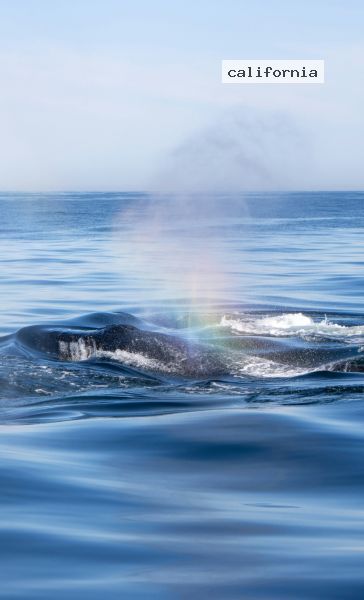
The changing climate visibly altered marine behavior throughout the trip. Tropical species like manta rays appeared as far north as Malibu, which is highly unusual for the region. Breed also documented hundreds of whales daily, including close encounters with dolphins and humpbacks along the Central Coast. Conversely, she observed sea lions suffering from domoic acid toxicity in Monterey Bay.
As she approached the final stretch, pollution became a major obstacle. Massive amounts of plastic waste and raw sewage runoff created a hazardous zone extending roughly 1.5 miles offshore near the river mouths crossing into Mexico. To safely cross this polluted stretch approximately three miles offshore, Breed relied on prophylactic antibiotics guided by her medical team.
The swim reached its final milestone at Coronado Beach, where family, fans, and media gathered to celebrate the achievement. Breed used the platform to advocate for immediate local ocean conservation efforts. She emphasized that this year serves as a clear alarm regarding environmental degradation and climate volatility. Community members are encouraged to monitor local water quality and support regional cleanup initiatives.
Long-distance ocean swimming requires extreme physical conditioning and precise knowledge of tidal patterns. Historically, swimmers have targeted specific stretches of the Pacific rather than entire state coastlines due to safety and logistical constraints. Breed’s decision to undertake this full route in 2023 anticipated potential climate disruptions, proving that modern endurance sports must adapt to rapidly changing ecological conditions.
Catherine Breed’s journey provides a stark reminder of how interconnected coastal communities are with broader climate systems. By documenting current reversals, temperature shifts, and pollution hotspots, she has delivered a vital message about ocean stewardship. Residents and visitors alike can support these efforts by participating in beach cleanups and backing local environmental programs.