Tuesday, 27 October 2026, 1:37
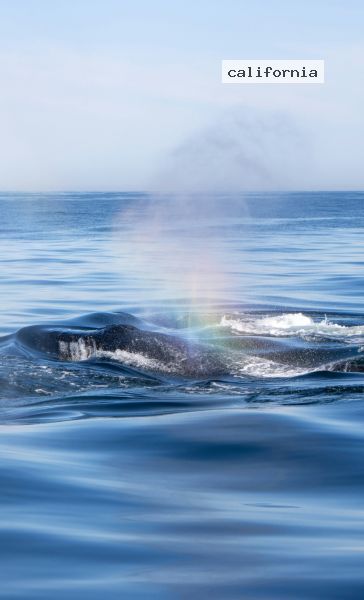
A nine-year-old beluga whale named Cyprus has passed away at SeaWorld San Diego following an unexpected medical crisis. The attraction announced the loss on Sunday, noting that the whale had been stabilizing well since his arrival from Canada just weeks ago. Veterinary teams acted quickly when Cyprus refused to eat, launching immediate diagnostic procedures to determine the underlying cause.
Cyprus arrived at the facility on August 22 after being removed from what officials described as a dire situation in Canada. His sudden refusal to consume food two days prior to his passing triggered a comprehensive medical evaluation. An ultrasound scan revealed significant irregularities in his intestinal tract, pointing toward a severe and potentially life-threatening condition. Veterinarians administered overnight care, but the organ failure ultimately proved fatal. SeaWorld emphasized that belugas are known to conceal signs of illness until symptoms become critical, which complicated early intervention.
This incident highlights the broader challenges surrounding the mass relocation of marine mammals from the recently shuttered Marineland park in Ontario. Out of thirty belugas and four dolphins originally rescued, Cyprus becomes the sixth to die since August. Similar struggles have occurred at the Shedd Aquarium in Chicago, where four rescued belugas have also passed away. Conversely, Chicago facilities report positive nutritional progress among the remaining six belugas currently in their care. SeaWorld San Diego confirmed that the two other rescued belugas sharing Cyprus tank space remain healthy and continue adjusting to their new environment and training staff.
The death of Cyprus draws attention to SeaWorld San Diego's expanded role in regional marine mammal rehabilitation. Local veterinary specialists face complex decisions when integrating wild-caught or park-rescued animals into existing captive populations. The facility maintains strict monitoring protocols for all incoming species, balancing immediate medical needs with long-term behavioral adaptation. Animal care teams stress that each case requires individualized attention due to the unique physiological demands of beluga whales.
The current wave of rescues stems from the permanent closure of Marineland Ontario, which faced mounting financial and operational pressures throughout 2025 and 2026. Canadian authorities coordinated the transfer of dozens of belugas and dolphins to accredited United States facilities capable of providing extended care. The relocation program aimed to secure lifelong habitats while addressing welfare concerns raised by international observers. Ongoing mortality rates across multiple institutions have prompted renewed discussions regarding large-scale marine mammal transfers and post-rescue survival metrics.
Cyprus leaves behind a record of successful integration despite his untimely passing. SeaWorld San Diego continues to track the health of the surviving belugas closely, committing to transparent updates as rehabilitation efforts progress. Monitoring remains essential to refine future rescue protocols and ensure optimal outcomes for transferred marine species.