Tuesday, 27 October 2026, 16:05
Key Takeaways
Introduction
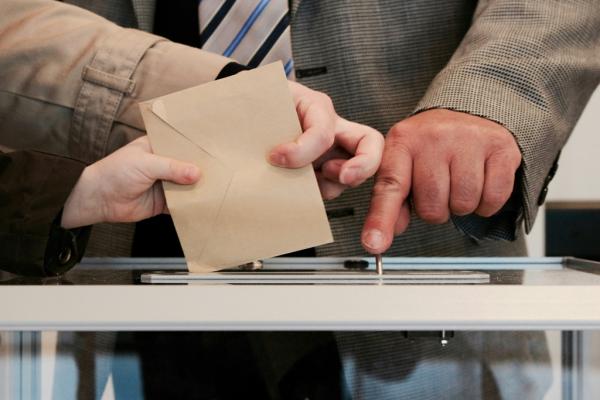
As the November election approaches, registered voters in California will receive extensive information regarding numerous statewide propositions and local measures. This year's ballot features a wide array of initiatives addressing housing affordability, public health, taxation, and electoral processes. Understanding these measures is crucial for making informed decisions at the polls.
Proposition 1 authorizes bonds to support housing affordability programs. Meanwhile, Proposition 37 establishes a loan program designed to assist middle-income buyers purchasing qualified new homes. On the healthcare front, Proposition 3 provides permanent funding for schools and healthcare by extending an existing tax on high incomes. Additionally, Proposition 38 authorizes bonds specifically for immunology medical research. Proposition 44 mandates that community health clinics allocate 90% of their revenue directly to program services.
Several propositions focus on state finances and taxation limits. Proposition 2 increases the state's rainy day fund. Proposition 4 repeals the prohibition against public funding of election campaigns. Proposition 40 imposes a one-time tax on certain taxpayers. Proposition 41 prohibits new state taxes that exclude revenues from state spending limits and requires audits for new special taxes. Furthermore, Proposition 42 bans new personal property taxes and certain retroactive taxes, while Proposition 43 limits the ability of voters to raise revenues for local government services.
Voters will also decide on changes to the electoral system. Proposition 5 modifies the recall election process for statewide officers. Proposition 39 introduces a requirement for citizens to present government-issued identification to vote. Proposition 45 modifies environmental review requirements for certain projects.
Beyond the statewide propositions, a specific resolution will appear on the ballot in San Francisco. This initiative measure proposes a retail transactions and use tax ordinance applicable across multiple jurisdictions. Under the proposal, a tax rate of 0.5 percent would apply in Alameda, Contra Costa, San Mateo, and Santa Clara counties, while the City and County of San Francisco would face a 1 percent rate. This tax would remain in effect for a duration of 14 years. Notably, the associated resolution document contains 26 pages and lacks a formal summary or digest typically provided to voters.
Barry Hermanson, a member of the San Francisco Green Party County Council and a former small business owner, compiled this overview of the upcoming election materials. He notes that the influx of official state and city election mail, combined with outreach from various organizations, can be overwhelming for voters.
The upcoming November election presents a dense array of policy decisions spanning infrastructure, public finance, and civil rights. Residents are advised to review the detailed analysis and fiscal impact statements provided by the legislative analyst for each measure. Casting a ballot early remains a practical option to streamline the voting process and minimize campaign-related mail.
Sources and Materials