Tuesday, 27 October 2026, 11:54
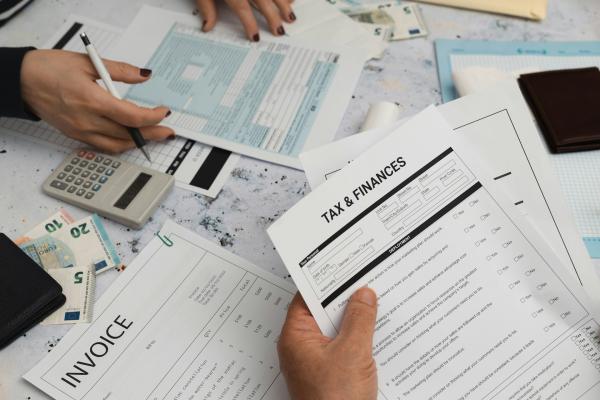
California residents are facing a familiar choice on their upcoming ballots, but this time the long-term implications are significant. Proposition 3 seeks to permanently extend a progressive income tax on high earners, replacing a temporary measure that has funded essential state services for over a decade.
Proposition 3 aims to lock in a tax structure that targets wealthier Californians. The revenue generated would be dedicated to supporting public schools, expanding healthcare access, and maintaining other vital state services. Advocates emphasize that institutionalizing this funding mechanism would provide long-term financial stability for government programs.
This marks the third time the income tax measure has appeared on California ballots. Voters first approved the policy in 2012 as a temporary response to the Great Recession, specifically to stabilize school budgets. They voted to renew the measure again in 2016. Under current law, the tax is scheduled to automatically expire at the end of 2031. Proponents are now pushing for permanent adoption before that deadline arrives.
While the tax applies statewide, the allocated funds directly support local school districts and regional healthcare facilities throughout California. Communities reliant on these state allocations will closely monitor how the proposal shapes future budget planning and service delivery across urban and rural counties alike.
The original tax was designed as a recession relief tool but quickly became a cornerstone of California's funding model for education and health initiatives. Lawmakers and advocates have debated its duration for years, with some preferring temporary sunset clauses and others arguing for permanent legislative action.
As election day approaches, Californians must weigh the benefits of guaranteed funding against concerns about long-term tax obligations. The outcome of Proposition 3 will determine whether high-earner contributions remain a fixed feature of the state budget or revert to a temporary arrangement in 2031.