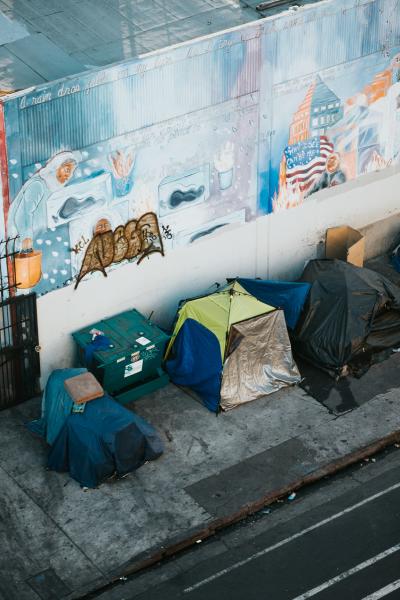
Older Californians are becoming homeless at a faster rate than any other age group, advocates told the state’s Commission on Aging this week, warning that the housing system is failing a population that often requires a level of support between independent living and institutional care. Genelle Cazares, CEO of El Hogar Community Services in Sacramento, testified that common age-related issues such as chronic medical conditions, cognitive decline, mobility limitations, and physical disabilities create significant delays in securing permanent housing.
She emphasized that older adults leaving shelters need a middle ground of care that is currently missing.
Nearly half of all unhoused single adults in California are aged 50 or older, and many are experiencing homelessness for the first time, according to data presented at the Thursday hearing. Advocates reported that there are approximately 85,000 homeless individuals over 50 in the state.
In the Bay Area, where homelessness counts begin at age 55, older adults represent between 25% and 29% of the homeless population, varying by county. Harrison Linder, assistant director of housing policy at LeadingAge California, stressed the urgency of addressing this growing demographic.
A combination of limited income, decreasing ability to work, rising health costs, and the high cost of housing statewide often leads older people to homelessness. Linder noted that 2 million older Californians struggle to afford housing, spending more than 30% of their gross income on rent.
Despite this demand, there are only 90,000 units of affordable senior housing in the state. The high construction cost—over $700,000 per unit for subsidized affordable housing—remains a major barrier.
Santa Clara County’s most recent homelessness report found that families with children are more likely to secure shelter or temporary housing, leaving older adults without children more likely to remain unsheltered. Steve Gaskill, 61, a resident of Wong Center Senior Apartments in Sacramento, shared his story of barely affording rent before finding affordable housing.
He urged support for older adults seeking to maintain their dignity.
Experts warn that homelessness accelerates aging. Dr.
David Lindeman, chair of the California Commission on Aging, explained that the effects of aging are magnified on the street, with unhoused individuals often developing geriatric conditions years earlier than their housed peers. Chronic stress, exposure to the elements, untreated medical conditions, and poor nutrition lead to “accelerated aging,” making a 50-year-old homeless person resemble a housed 70-year-old in health.
Older adults frequently remain in hospitals, shelters, and temporary placements longer than necessary due to the scarcity of appropriate housing options.