Wednesday, 18 November 2026, 19:23
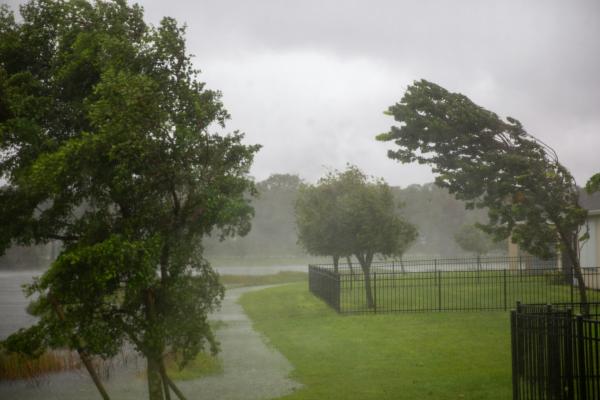
As the wet-weather season approaches, the City of Lincoln is reminding residents about the proper channels for reporting storm-related infrastructure issues. Heavy rain and wind often lead to clogged drains, fallen branches, and power outages that impact daily life.
Residents dealing with minor storm damage or maintenance needs can utilize the city's digital tools. An online service request form directs inquiries straight to the Public Works department for review and action.
For time-sensitive matters, phone calls are recommended. During standard operating hours from Monday through Friday between 7:30 AM and 4:30 PM, individuals should dial the Public Works line. If issues arise during evenings or weekends, the Lincoln Police Department non-emergency line serves as the backup contact point. Life-threatening situations always warrant a 911 call.
To help homeowners mitigate flooding risks, self-service sandbag stations are set up across the city. Available locations include Joiner Park on Nicolaus Road, McBean Park near the skate park, and the Lincoln Public Library along Twelve Bridges Drive. Only Lincoln residents may fill bags, with a household limit of twenty-five per person. Shovels are not provided, so bringing your own is necessary.
Street sweepers and collection trucks remain active throughout the rainy months. For excess foliage, residents have several options ranging from green-waste carts to additional collection services. Alternatively, materials can be self-hauled to the Western Placer Waste Management Authority site on Athens Avenue.
Northern California municipalities frequently update their emergency communication protocols ahead of winter storms. These measures aim to reduce response times and keep drainage systems clear before major downpours hit.
Wet seasons typically strain urban infrastructure due to increased runoff and debris accumulation. Proactive reporting allows municipal crews to prioritize repairs and maintain safer roadways for drivers and pedestrians alike.
Staying informed about local reporting procedures ensures faster resolution of weather-related disruptions. Residents who follow these guidelines contribute to a more resilient community during inclement conditions.