Wednesday, 18 November 2026, 19:23
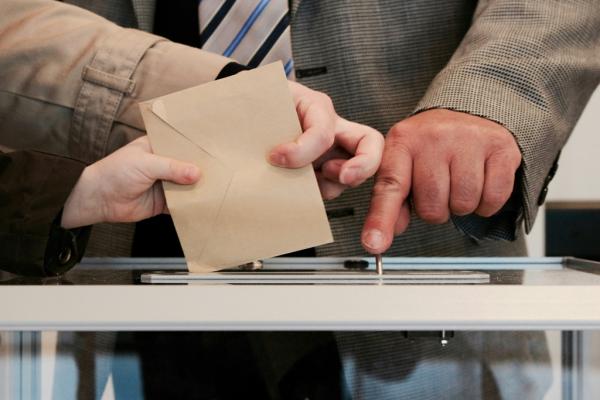
A recent expert panel convened to conduct a comprehensive post-mortem of the 2026 California election, focusing specifically on the performance and reliability of political polls. Moderated by journalist Ashley Zavala, the discussion featured prominent analysts from across the state examining how forecast models performed in high-stakes races.
The conversation opened with a critical review of whether traditional polling methods kept pace with modern campaign dynamics. Panelists Mark Baldassare of the Public Policy Institute of California, Shakari Byerly of EVITARUS, Mark DiCamillo of the Berkeley Institute of Governmental Studies, and Paul Mitchell of Political Data Inc. assessed where predictions succeeded and where they fell short. According to the source, experts questioned whether certain demographic groups were overrepresented or underrepresented in survey samples, particularly regarding Republican response rates.
A significant portion of the analysis addressed the proliferation of unofficial surveys. The panel highlighted how unverified polls disrupted coverage during the Los Angeles mayoral race and other local campaigns. Beyond traditional sampling, the discussion noted the emergence of prediction markets, which saw approximately $110 million wagered on platforms like Kalshi during the LA mayoral contest. These markets offered alternative indicators of voter sentiment that differed from conventional polling methodologies.
Analysts explored what drove the observed blue wave across California. Key factors included refined voter universe targeting and a notable generational shift in electoral participation. The panel also examined how potential policy measures, such as Proposition 1, might have altered seat flip probabilities under different polling scenarios. News organizations were encouraged to explore deeper partnerships with polling firms to improve transparency and data sharing.
The involvement of the Berkeley Institute of Governmental Studies underscores California’s strong academic foundation in political research. Statewide polling standards continue to influence national conversations, especially as California navigates complex urban and rural voting divides. Local jurisdictions frequently adapt their outreach strategies based on these broader demographic insights.
Political polling has faced heightened criticism in recent years due to perceived inaccuracies in major contests. As campaign spending increases and digital engagement grows, researchers are continuously adapting frameworks to capture authentic voter preferences.
The post-mortem analysis provides valuable insights into the current state of California election forecasting. While methodological improvements have been made, addressing response biases and distinguishing official data from unofficial surveys remain ongoing priorities. Continued collaboration between researchers, journalists, and polling institutions will likely shape more accurate electoral reporting in future cycles.