Friday, 17 July 2026, 6:53
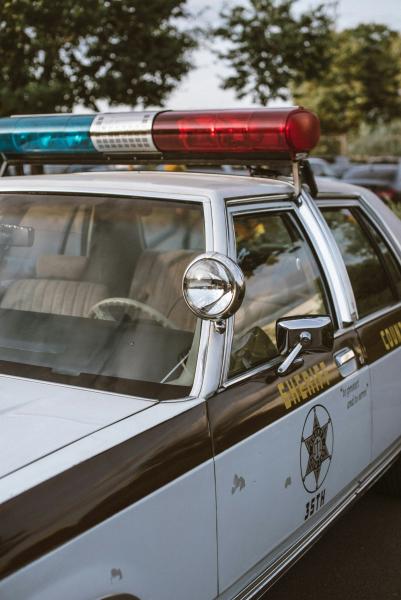
On July 12, 2026, lifeguards patrolling Point Mugu State Beach discovered an unexploded ordnance near lifeguard tower No. 14 at 7800 West Pacific Coast Highway. The Ventura County Sheriff's Office and the U.S. Navy's Explosive Ordnance Disposal (EOD) unit responded. Authorities identified the device as a Korean War-era super bazooka round, still containing live explosives. The object had washed up from the ocean, according to Dan Turock of the sheriff's major crimes bomb and arson unit. Beachgoers at Mugu Beach were cleared from the area around 10:30 a.m. after the unexploded anti-tank round was spotted in the sand, prompting California State Parks Police to call the Ventura County Sheriff's Office. Turock described the device as “a piece of military ordnance — pretty much what you’d expect a missile to look like.” The device was quickly identified as a Super Bazooka round, an anti-tank weapon developed after World War II and used during the Korean War.
Due to the danger of transporting the round, the Navy decided to detonate it on-site. Bomb squad personnel dug a pit in the sand, buried the ordnance, and executed a controlled explosion. Sheriff's Capt. Brian Slominiski confirmed that PCH was closed for a few minutes during the operation. The beach was also temporarily evacuated. No injuries or other issues were reported, and both the beach and highway were quickly reopened. Sheriff's deputies remained on scene to assist with any cleanup.
The oblong munition is about a foot long and shaped like a football. The beach was closed for about three hours, while the roadway was shut down for only about five minutes during the actual detonation. The round was completely destroyed in the explosion. “It just disintegrated into nothing. It completely evaporates,” said Detective Dan Turock. “There was nothing left of it, it just totally turned to dust.” The Ventura County Sheriff’s Bomb Squad shared a video of the detonation on its Instagram account, where a loud boom can be heard followed by black smoke rising in the air.
Point Mugu State Beach lies adjacent to U.S. Naval Base Ventura County. The area was used for military training and munitions practice during World War II and the Korean War. Decades later, beach erosion and changing tides are uncovering old ordnance that had been buried or submerged. Detective Dan Turock of the sheriff's bomb and arson unit noted that this is approximately the 10th such round found in recent years. “In the last three years we’ve had about 10 of these — the same exact thing happen at that same exact beach — so it’s fairly common,” Turock said.
Turock said that part of the beach used to be connected to the naval base and is where training and munitions practice was conducted in the 1940s and 1950s. Past devices have been found covered with barnacles or waterlogged. “They would shoot all those [bazookas] onto the beach, not knowing that in 30 years it was going to become a public beach and still have all that stuff under the sand,” Turock said.
Similar incidents have occurred at the same beach. About two years ago, the sheriff's office and Navy EOD responded to another ordnance discovery. In a 2024 Instagram post, authorities warned that beaches near military base property are prone to such finds. Past discoveries have included artillery rounds from World War II and the Vietnam War. The sheriff's office maintains a working relationship with the Navy's EOD Unit as a result of these recurring incidents.
Officials urge the public to never touch suspicious objects that resemble bombs, even if they appear old or corroded. As Turock cautioned, “Even though it’s super old and it’s been in the water for 70 years, those explosives can still function.” “If you touch it or move it around, there is a possibility that it could detonate if you move it enough or drop it,” Turock warned. Anyone who finds such an item should leave it in place, evacuate the area, and call 911 immediately.