Friday, 25 September 2026, 22:13
Key Takeaways
SpaceX is gearing up for another high-profile mission from the West Coast, targeting a September 26 liftoff from Vandenberg Space Force Base in Santa Barbara County. This upcoming flight marks the company's third classified operation this month, continuing a streak of rapid spaceflight activity that has solidified California's role in modern aerospace.
The upcoming mission, designated USSF-385, involves deploying a batch of military satellites into low-Earth orbit. According to SpaceX, the three-hour launch window opens early Saturday morning at 4:56 a.m. PT. Weather forecasts indicate patchy fog prior to 11 a.m., which could impact visibility but remains within acceptable limits for the launch team.
If conditions prevent a launch on the primary day, a backup window is scheduled for Sunday, September 27, opening at 5:49 a.m. PT. This follows a busy stretch for the company, which recently launched 27 Starlink internet satellites on the evening of September 19, marking the fifth California launch of the month and the 64th of 2026.
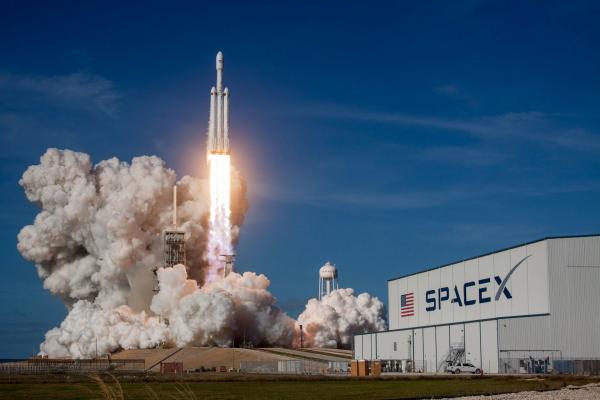
SpaceX will utilize its workhorse Falcon 9 rocket for the mission. Standing 230 feet tall, the two-stage vehicle is renowned for its reliability and reusability. For this specific flight, the primary booster will be making its tenth journey into space, demonstrating the long-term durability of the hardware.
Following liftoff, the rocket will follow a southeast trajectory over the Pacific Ocean. The initial stage is programmed to separate and descend toward the autonomous spaceport drone ship named Of Course I Still Love You. Recovering these boosters allows SpaceX to refurbish and reuse them for future missions, drastically reducing launch costs.
While Vandenberg is an active military installation without public viewing areas at the launch pad itself, spectators across Southern California have access to several prime locations. Popular spots include Surf Beach and Ocean Park in Lompoc, as well as various intersections along the coast in Santa Barbara County.
Residents of Santa Barbara, San Luis Obispo, and Ventura counties should expect acoustic disturbances following the launch. SpaceX notes that sonic booms, brief thunder-like noises caused by supersonic descent, can occur up to ten minutes after liftoff.
For those unable to travel to the coast, a live webcast will be available on the SpaceX website approximately ten minutes before the scheduled liftoff.
Vandenberg Space Force Base has historically served as the primary launch site for U.S. polar orbit satellites. The base transitioned from NASA operations to the Space Force in 2020, accelerating commercial partnerships with companies like SpaceX. The facility's location on the central California coast provides a clear flight path over the ocean for eastbound trajectories.
This launch underscores California's enduring position as a critical hub for national defense and commercial space exploration. As tracking numbers rise for 2026, residents and aerospace enthusiasts alike have ample opportunity to witness the technological advancements unfolding overhead. Keep an eye on official updates as weather and technical checks dictate the final go-ahead.
Sources and Materials