Tuesday, 27 October 2026, 11:39
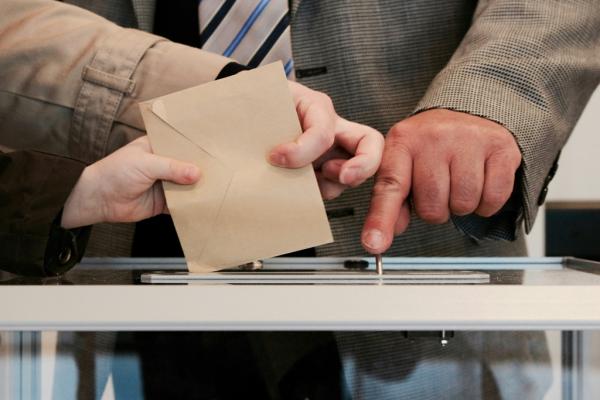
As the November election approaches, the political landscape in San Francisco is poised to see significant shifts across multiple levels of government. With a dense slate of contenders and complex policy questions, residents are preparing to cast ballots on issues that will shape the city's future direction.
This year's election cycle stands out for its sheer volume of decisions awaiting voters. Residents will evaluate more than 30 candidates running for various offices, from local municipal roles to statewide positions. Alongside these races, approximately 10 direct ballot measures will determine immediate policy changes, while additional regional and state propositions add layers of complexity to the voting experience.
The convergence of local and state-level initiatives requires careful attention from the electorate. Measures touching housing, public safety, transportation, and environmental regulations often appear on these combined ballots, demanding that voters familiarize themselves with both granular neighborhood impacts and broader statewide trends.
In an era where misinformation can easily spread, independent journalism plays a crucial role in bridging the gap between complex legislation and everyday citizens. Nonprofit news organizations are stepping up to provide comprehensive, ad-free analysis, candidate questionnaires, and deep dives into campaign financing. This commitment ensures that financial barriers do not prevent informed decision-making at the polls.
San Francisco has consistently set national precedents in civic engagement and progressive policy implementation. The city's unique electoral structure, which frequently includes charter amendments and local ordinances, demands a highly informed electorate. Recent years have seen increased turnout driven by concentrated community organizing and robust digital outreach efforts targeting younger demographics.
Historically, California counties have utilized consolidated election cycles to streamline voting processes while maximizing civic participation. The integration of state propositions with municipal races allows voters to align their local priorities with broader ideological frameworks. Past elections in the Bay Area have demonstrated how detailed ballot analysis directly correlates with higher voter education rates.
As polling day nears, residents are encouraged to review official sample ballots, attend community forums, and consult verified reporting outlets. Engaging deeply with the material now will empower voters to navigate the complexities of this November's slate effectively.