Sunday, 4 October 2026, 15:24
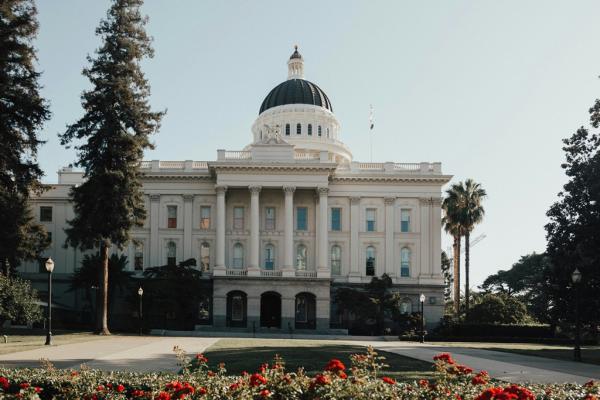
As the legislative calendar concluded on September 30, Governor Gavin Newsom finalized his review of 1,160 bills sent to his desk. This total represents the third largest collection of legislation he has processed throughout his eight-year tenure. The sheer volume underscores the active pace of lawmaking in Sacramento this year.
Of the 1,160 measures reviewed, the Governor approved 1,040, which accounts for 89.7% of the incoming proposals. He issued 120 vetoes, establishing a veto rate of 10.3%. Historical data indicates that the average veto rate over the past ten years sits at 15%, making this year notably more cooperative than recent benchmarks.
The approved legislation comprised 652 Assembly Bills and 388 Senate Bills. Democratic authors dominated the signed roster, with 81% of Assembly Bills and 76% of Senate Bills originating from Democratic lawmakers. Republican-authored signed bills made up 13% and 9% respectively, while committee-sponsored measures accounted for the remainder.
The 120 vetoed measures followed a similar partisan pattern. Of these rejections, 89 were Assembly Bills and 31 were Senate Bills. Democratic legislators wrote 89% of the vetoed Assembly Bills and 94% of the vetoed Senate Bills. Republicans accounted for the remaining small fraction of rejected proposals.
The data reveals a clear continuity in how Governor Newsom evaluates legislation, heavily favoring Democratic initiatives while maintaining a selective approach to vetoes.
Comparing the 2026 output to previous years provides valuable perspective. During the 2025 session, the Governor processed 917 bills, signing 794 and vetoing 123 for a 13.4% veto rate. All four special session bills from 2025 were signed, reflecting unanimous agreement on urgent matters.
In 2024, the legislative workload peaked with 1,206 bills delivered to the Governor's office. That year, Newsom signed 1,017 bills and vetoed 189, yielding a 15.7% veto rate that slightly exceeded the decade average. The consistent dominance of Democratic-authored bills across all three years highlights the state's current political landscape.
The passage of over one thousand new laws directly affects residents across every region of the state. From urban centers to rural counties, these regulations shape public services, environmental standards, and economic frameworks. The relatively low veto rate suggests a collaborative environment between the executive branch and the state legislature, facilitating steady policy implementation.
California's legislative process requires careful scrutiny of each proposal before it becomes law. Governors traditionally exercise their veto power to block measures they deem fiscally irresponsible, constitutionally flawed, or misaligned with state priorities. Tracking these numbers helps analysts gauge the balance of power and legislative effectiveness within the state government.
Governor Newsom's final tally for the 2026 session demonstrates a highly productive year for California lawmakers. With a veto rate well below historical averages, the administration signaled strong support for the legislative agenda. Residents can expect widespread changes as these newly enacted statutes roll out across communities statewide.