Tuesday, 27 October 2026, 9:44
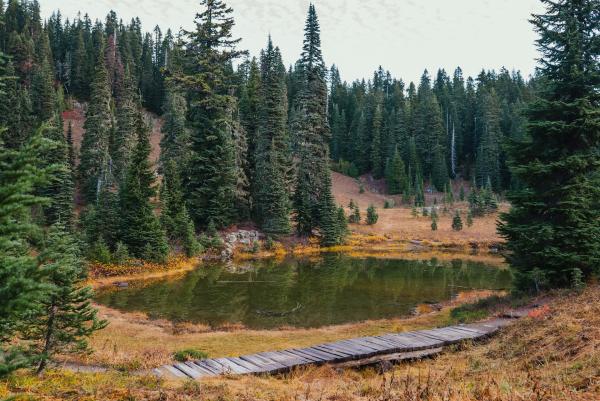
A historic step toward environmental and cultural preservation took place near Mono Lake as California State Parks and the Mono Lake Kootzaduka'a Tribe formalized their partnership.
The signing of a Memorandum of Understanding on August 29 establishes a framework for shared management and deep collaboration across traditional homelands.
Leaders from both organizations gathered on the shores of Mono Lake to sign the new agreement. Tribal Chair Charlotte Lange emphasized the generational importance of the event, recalling her grandfather's advice to always care for the land and water. She expressed gratitude for the chance to partner with State Parks to protect these ancestral territories.
State Parks Director Armando Quintero highlighted that this initiative represents the division's 16th Memorandum of Understanding with a California Native American tribe. He noted that the collaboration will facilitate the return of Native languages and allow tribal members to gather traditional materials. A major focus involves creating a seed bank to propagate California native plants and restore local ecosystems.
This MOU is the culmination of months of hard work and planning between State Parks and the Kootzaduka'a Tribe, said Scott Green, Sierra District Coordinating Tribal Liaison.
The agreement directly impacts two significant California State Park units located within the traditional territories of the Kootzaduka'a people. At the Mono Lake Tufa State Natural Reserve, the partnership will improve the care of natural, cultural, and historical resources. Meanwhile, officials will cooperate on protecting cultural assets and enhancing interpretation at Bodie State Historic Park, aligning with the Reexamining Our Past Initiative.
This effort supports broader state goals to achieve meaningful and durable Tribal Stewardship over millions of acres of California landscape.
California Native Americans have managed the lands, air, and water of the region since time immemorial. Their deep connection to the environment underpins the unique relationship between tribes and public land managers. This growing network of partnerships reflects a statewide shift toward recognizing Indigenous expertise in conservation and historical preservation.
The new alliance promises to blend scientific park management with ancient ecological knowledge. As both groups move forward, residents and visitors can expect more inclusive programs that honor the original stewards of the Eastern Sierra.