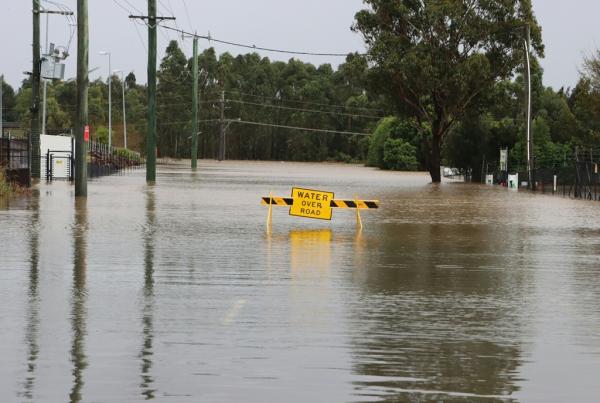
A new study published in the journal Nature Climate Change on Wednesday reveals that extreme sea level events, which drive coastal flooding, are now about 12 times more likely on average than they were historically. These events, once considered rare with only a 1% chance of occurring in any given year, have become significantly more frequent due to human-driven climate change.
The research, which analyzed long-term tide gauge records from over 100 sites alongside climate modeling, found that human activity has made these extreme events about four times more likely. The study focused on the period from 1900 to 2005, limited by the availability of attribution models, and the authors noted that their findings are conservative because human contributions to coastal extremes have only increased since then.
A separate study published in Science Advances on Wednesday supports these findings, attributing 58% of days with extreme water levels between 2000 and 2018 to climate change. That study also found that climate change has nearly tripled the number of days exceeding extreme water level thresholds since the 1970s.
Ben Strauss, chief scientist at Climate Central and a co-author of the Science Advances study, stated, "Essentially every coastal flood today has human fingerprints on it through climate change. Without the extra bit of sea level rise caused by global heating, most of these events would not have reached the status of flood."
Sönke Dangendorf, lead author of the Nature Climate Change study and an associate professor at Tulane University, emphasized that greenhouse gases from burning fossil fuels are the most significant human factor, particularly since the 1970s. "The risk is evolving and with the evolving risk we need to do more for adaptation," Dangendorf said.
Jeff Williams, a retired USGS oceanographer not involved in either study, stressed that planners must account for increased risks and consider the costs of coastal protection and who will pay for them. He noted that current protections for New Orleans "will likely not be adequate beyond the next couple decades."
The studies highlight the growing threat to hundreds of millions of people living in low-lying coastal areas worldwide, causing billions of dollars in damage and loss of life. While nations are increasingly adopting renewable energy, scientists caution that the world is not on track for the best-case warming scenario.
Dangendorf offered a note of hope: "There is a silver lining because we have control about how much we emit, right? So we can stop that development, at least to some degree."