Lunes, 22 Junio 2026, 5:08
(Source: Source )
California lawmakers have approved a controversial health tax bill that restructures the state's managed care organization (MCO) tax, aiming to preserve critical federal funding for Medi-Cal but potentially raising premiums for privately insured residents. The measure, Senate Bill 125, passed last week despite strong objections from health industry leaders who warn it will increase costs for consumers.
The MCO tax, collected from health insurance plans that coordinate care for members, is being redesigned to comply with new federal rules from the Centers for Medicare and Medicaid Services. Previously, California taxed Medi-Cal plans at a higher rate than private plans, a practice federal officials considered a loophole.
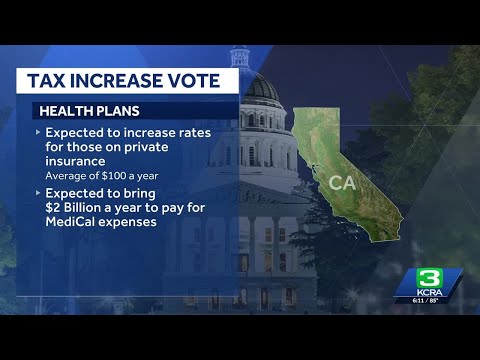
The new plan, which mirrors Governor Gavin Newsom's proposal, lowers the tax on Medi-Cal plans and raises it on private plans to a uniform monthly rate of $8.85 per enrollee. For private plans, this totals about $1.5 billion annually.
If health plans pass the entire tax to members, Californians could see roughly a 1.5% increase in monthly premiums, according to the Legislative Analyst's Office. The California Association of Health Plans estimates this translates to about $100 more per person per year, or $400 for a family of four.
Charles Bacchi, the association's president, stated that taxes and fees are actuarially built into premiums, making consumer cost increases inevitable.
The revenue generated—approximately $2.3 billion annually—would support Medi-Cal services and provider rate increases for primary, maternal, and mental health care. However, critics argue the measure conflicts with Proposition 35, passed by voters in 2024, which limits taxes on private health plans and requires revenue to expand Medi-Cal services, not offset general fund spending.
Senate President Pro Tem Monique Limón acknowledged there was no perfect plan but emphasized the need for quick revenue amid federal changes. Some legislators, like Senator Akilah Weber Pierson, expressed deep concerns about the economic burden on families but ultimately voted in favor.
Health industry groups, including the California Hospital Association and the California Medical Association, urged rejection, with Dr. René Bravo calling it "robbing Peter to pay Paul."
The bill now awaits Governor Newsom's signature, after which the state must seek federal approval. Consumer advocates stress that maintaining strong MCO tax revenues is vital for Medi-Cal, but they insist the funds must improve care, not backfill the general fund.
The Trump administration's approval is not guaranteed, adding uncertainty to the plan's future.
© California TodayTodos los derechos reservados