Friday, 20 November 2026, 17:31
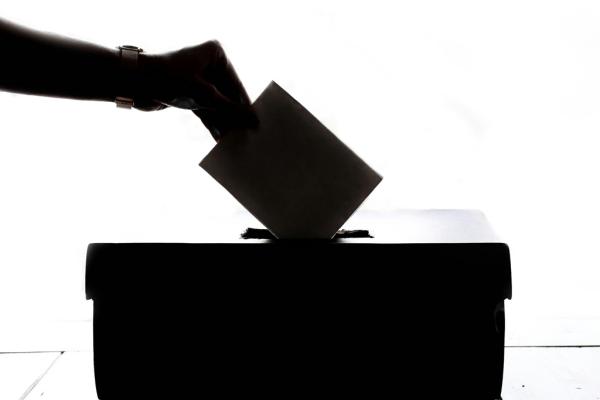
Preliminary vote by mail results released late Tuesday night indicate strong voter backing for two major ballot measures aimed at restructuring local governance in Whittier. The Los Angeles County Registrar Office updated early returns shortly after voting concluded, pointing to decisive margins for both proposals.
Measure EV seeks to shift Whittier municipal elections from April to November of even numbered years, aligning them with county and statewide contests. Early data indicates approximately eighty percent approval. If enacted, the change takes effect on November third, two thousand twenty six, with current terms extending until successors assume office under the new calendar.
Measure EL introduces a strict twelve year term limit for elective city offices. The proposal currently holds roughly seventy seven percent support. Under the measure, service rendered prior to November third, two thousand twenty six will not count toward the limit. Whittier previously allowed indefinite reelection, enabling several officials to serve decades long tenures.
Councilmembers Vicky Santana and Aida Macedo authored both measures, arguing that aligning election dates will boost civic engagement, optimize taxpayer spending, and deliver more responsive representation. They emphasized that residents have long demanded structural reforms to improve local accountability.
Opposition centers on concerns raised by resident Andrew Pryor, who helped draft the opposing ballot statement. Critics argue that shifting to November elections could increase campaign expenses, heighten reliance on major donors, and dilute community focus beneath larger state and federal races. Pryor stressed the need to keep municipal politics centered on local priorities.
The upcoming vote follows a highly active April election cycle that saw voter turnout surge by one hundred seven percent compared to two thousand twenty four. That contest resulted in a demographic shift on the City Council, producing a majority Latino body composed primarily of women. Ongoing debates over urban canopy management and tree preservation plans continue to shape local political dynamics.
Semi final results will be published later in the evening, with final certification pending administrative review. Local observers note that regardless of the outcome, the measures highlight growing demands for transparency and modernized electoral processes.
Whittier stands at a pivotal juncture regarding its electoral framework. Voter decisions on these measures will fundamentally alter campaign timelines, official tenures, and civic participation rates for years to come.