Friday, 20 November 2026, 17:41
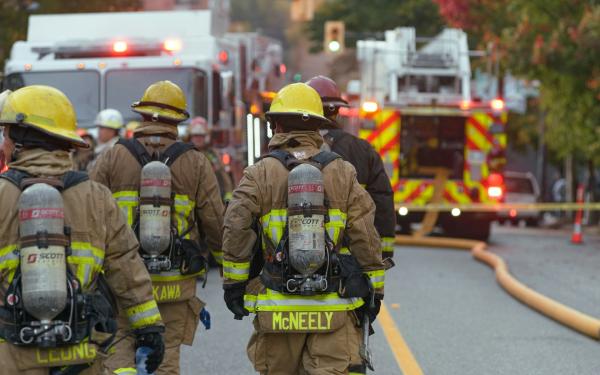
Following the devastating Eaton Fire, which scorched approximately 14,000 acres and destroyed nearly 9,000 structures in Los Angeles County, emergency responders quickly turned their attention to a quieter but persistent threat. Left behind in the rubble were more than 1,400 stagnant swimming pools that rapidly became ideal breeding grounds for mosquitoes. The San Gabriel Valley Mosquito and Vector Control District stepped in to mitigate this secondary public health crisis before disease transmission could escalate.
Wildfire recovery typically focuses on structural rebuilding, debris removal, and immediate shelter. However, standing water in damaged pools created a delayed but severe hazard. District officials recognized that waiting for mosquito populations to surge would overwhelm limited resources. The highest risk of vectorborne illness was projected between 90 and 120 days post fire, leaving a narrow window for intervention. Staff deployed across all departments to manage hundreds of properties while coordinating with federal and state agencies.
With many property owners displaced, traditional door to door notices proved ineffective. The district launched a dedicated website hosting multilingual resources, frequently asked questions, and direct contact channels. This platform served as both a public information hub and an internal coordination tool. Media partnerships amplified key messages, particularly clarifying that the U.S. Army Corps of Engineers could empty pools upon owner request. As awareness grew, pool drainage rates increased significantly, reducing reliance on chemical treatments.
Initial requests for Federal Emergency Management Agency reimbursement were denied because the work targeted future prevention rather than active response. District leadership successfully reframed the initiative around the existing mosquito habitats and the direct link to elevated disease risks. The revised justification secured funding approval. Additionally, the district activated mutual aid agreements with neighboring Southern California special districts and leveraged county resource networks to supplement staffing and equipment shortages.
This incident highlights the evolving role of local special districts in California disaster management. Vector control agencies are increasingly integrated into regional emergency operations plans to address environmental hazards that emerge after wildfires and floods. The San Gabriel Valley response demonstrates how proactive public health interventions can prevent secondary crises in densely populated suburban corridors.
The Eaton Fire devastated parts of the San Gabriel Valley, leaving widespread infrastructure damage and displacing thousands of residents. Special districts have historically operated outside primary federal recovery frameworks, focusing instead on routine municipal services. This situation forced rapid adaptation and interagency collaboration to fill critical gaps in the response chain.
By prioritizing preventive vector control over reactive treatment, the district successfully averted a potential disease outbreak in the aftermath of the Eaton Fire. The coordinated strategy combining technical expertise, transparent communication, and strategic advocacy established a replicable model for future disaster recovery. Integrating public health safeguards early in emergency planning remains essential for protecting vulnerable communities.