Tuesday, 27 October 2026, 7:11
Key Takeaways:
UC Santa Barbara has secured a major milestone in scientific advancement by receiving a $20 million grant from the United States National Science Foundation. This funding establishes one of twenty programmable cloud laboratory nodes in the country. The initiative marks a significant step forward for remote scientific collaboration and automation in materials science.
The newly funded facility, named the Computation-Optimized Automated Soft materials Technology Programmable Cloud Laboratory (COAST PCL), represents a fusion of robotics, machine learning, and experimental chemistry. Scientists nationwide will be able to design experiments, operate specialized equipment, and analyze results without traveling to the campus. The system employs AI algorithms to predict experimental outcomes and manage large datasets efficiently. This approach addresses a longstanding challenge in polymer science where valuable data is frequently lost during traditional research cycles.
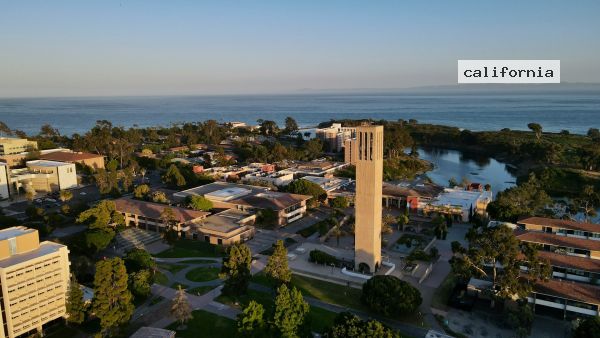
Construction of the COAST PCL centers around existing BioPACIFIC MIP research infrastructure at the OASIS laboratory. BioPACIFIC MIP operates as a materials innovation platform jointly led by UCSB and the University of California, Los Angeles. Researchers interested in utilizing the facility must pass a vetting process before applying for access to synthesis and characterization instruments. Once approved, they collaborate directly with on-site staff to execute their planned experiments.
This development places Goleta firmly on the map for advanced technological research. The OASIS laboratory has been operational since the fall of 2025, initially serving student researchers within the university community. The recent federal injection of capital transforms the site into a national resource, drawing attention from academic institutions and private enterprises globally. Local Congressman Salud Carbajal celebrated the announcement, emphasizing the transformative nature of the project for regional economic and scientific growth.
UCSB has consistently demonstrated leadership in engineering and materials science, particularly through its Robert Mehrabian College of Engineering. Previous partnerships with federal agencies have laid the groundwork for this expanded capability. The shift toward cloud-based laboratories reflects a broader trend in higher education and federal research funding toward decentralized, highly automated experimental networks.
As the COAST PCL facility ramps up operations, it promises to accelerate discoveries in polymer chemistry and soft materials. Researchers across the nation now have a streamlined pathway to contribute to groundbreaking studies. This investment underscores the enduring strength of California public universities in driving national scientific progress.
Sources and Materials: