Tuesday, 27 October 2026, 6:11
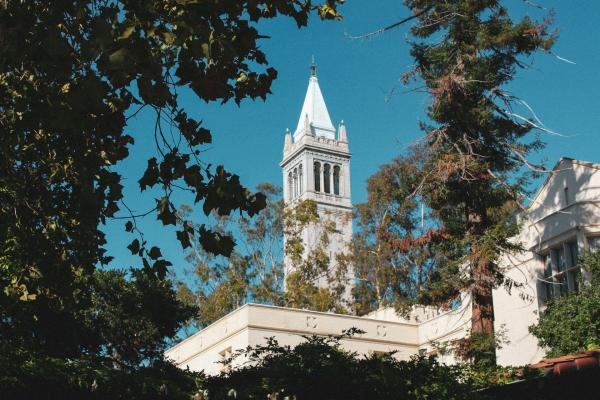
A new educational initiative at the University of California, Berkeley is bringing attention to a critical chapter of Pacific history. The university has launched a comprehensive program dedicated to exploring the lasting impacts of United States nuclear testing on the Marshall Islands.
The project centers on the stories of the Marshallese people, highlighting their experiences with nuclear devastation and the ongoing challenges of rising sea levels. By showcasing these narratives, the university aims to foster greater awareness and understanding of the human cost associated with mid-twentieth century atomic experiments.
Installations and public events across the campus serve as platforms for dialogue and reflection. These activities are designed to honor the cultural endurance of the island nation while providing academic and community spaces for education.
Located in Berkeley, Alameda County, UC Berkeley utilizes its prominent academic resources to address global historical issues. The Doe Library’s Bernice Layne Brown Gallery serves as a primary venue for the exhibition, drawing students, faculty, and local residents into a conversation about international justice and environmental stewardship.
From the late 1940s to the 1950s, the United States conducted numerous nuclear tests in the Marshall Islands as part of its Cold War defense strategy. These operations displaced local communities and caused long-term environmental and health consequences that continue to affect the region today.
This campuswide effort underscores the importance of remembering historical injustices and supporting affected communities. Visitors are encouraged to attend the exhibition and participate in related events to engage with these vital topics firsthand.