Tuesday, 27 October 2026, 7:55
Key Takeaways
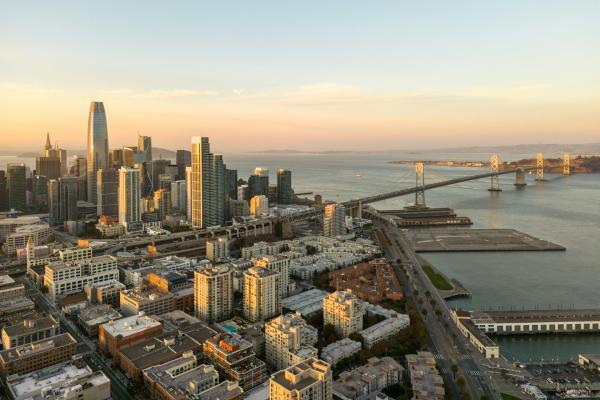
On October 6, 1949, a pivotal moment in legal history unfolded in San Francisco. Iva Toguri D'Aquino, widely known as Tokyo Rose, received a 10-year prison sentence for treason following a highly publicized federal trial.
D'Aquino, an American citizen born in Los Angeles, lived in Japan during World War II. She worked as a radio broadcaster for Radio Tokyo, delivering programs aimed at Allied troops in the Pacific theater. Despite her citizenship, prosecutors argued that her broadcasts bolstered Japanese morale and undermined American forces.
The courtroom proceedings captured national attention, drawing comparisons to the Hollywood era of cinema that began just over two decades earlier when The Jazz Singer premiered in 1927. Jurors ultimately found her guilty on one count of treason, leading to the landmark decision delivered in San Francisco.
After serving seven years of her sentence, D'Aquino continued to maintain her innocence. Public sentiment gradually shifted, prompting calls for clemency. In 1977, President Gerald Ford granted her a full pardon, acknowledging that she had been unfairly targeted and that her convictions lacked sufficient evidence of intent to betray the United States.
The San Francisco courthouse played a crucial role in processing wartime justice cases. The city hosted numerous high-profile hearings during the mid-century period, reflecting its status as a major West Coast hub for military and diplomatic affairs. This trial underscored the complex legal boundaries between free speech and national security during global conflicts.
October 6 has marked several notable events throughout history. Beyond the Tokyo Rose verdict, the calendar also commemorates the opening of The Jazz Singer in 1927, which introduced synchronized sound to mainstream cinema. Other milestones include the outbreak of the Yom Kippur War in 1973 and Pope John Paul II becoming the first pontiff to visit the White House in 1979.
The story of Iva Toguri D'Aquino serves as a reminder of how wartime hysteria can impact civil liberties. Her eventual pardon stands as a testament to the enduring pursuit of fairness within the American justice system. Residents and visitors in San Francisco continue to reflect on this chapter of local and national history.
Sources and Materials