Tuesday, 27 October 2026, 8:11

Lake Tahoe’s pristine waters and vast forests face a potential policy shift that could reshape the region for decades. A unified coalition of environmental, recreational, and conservation organizations has publicly opposed a proposed federal rule change. The decision directly impacts land management across the Sierra Nevada and threatens delicate watershed systems.
The U.S. Forest Service is actively reviewing the 2001 Roadless Area Conservation Rule. This landmark regulation currently restricts new road construction and commercial timber harvesting across millions of acres of inventoried wilderness. If rescinded, land managers could pave previously untouched terrain to access remote areas. Local advocates argue this would fundamentally alter the character of Tahoe’s national forests and degrade their natural value.
Opponents clarify that protecting roadless landscapes does not mean halting all forest work. The existing framework already permits temporary access roads for critical fuel reduction and firebreak creation. These targeted interventions help create healthier stands of trees while maintaining overall ecosystem integrity. Restoration efforts can continue safely without permanent infrastructure expansion.
The two priorities are not mutually exclusive. Our organizations support science-based restoration, forest fuels reduction, and appropriate tools to create healthier forests, safer communities, and greater resilience to drought, climate change, insects, and disease.
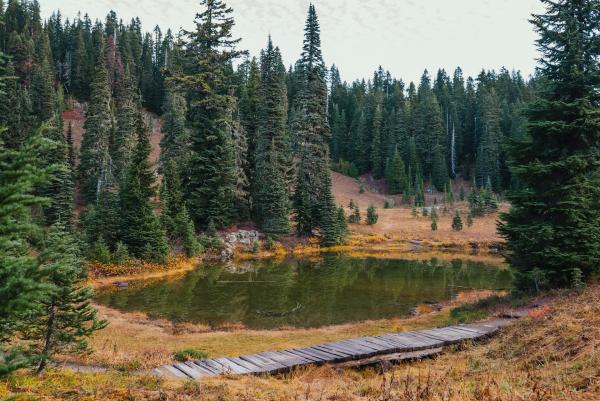
Lake Tahoe relies heavily on its surrounding watershed to maintain world-famous visibility. Fine sediment particles constantly threaten water clarity, and disturbing steep slopes accelerates erosion into nearby streams. Building new roads in sensitive zones would likely increase runoff and degrade aquatic habitats. Additionally, nearly fifty miles of the iconic Tahoe Rim Trail traverse designated roadless zones. Mountain biking routes and backcountry ski corridors depend on this undisturbed terrain to deliver solitude and adventure. The regional recreation economy thrives precisely because these areas remain wild and accessible by foot or bike.
The Roadless Rule was established over two decades ago to balance resource extraction with ecological preservation. It applies to roughly a quarter of all Forest Service lands within the Tahoe Basin. Historically, the agency has faced a multi-billion dollar backlog in maintaining existing transportation networks. Adding new roads would stretch maintenance resources even thinner while potentially compromising long-term conservation goals. Regional collaboration has historically driven successful water quality improvements, and advocates believe that collaborative approach must guide future land management decisions.
Tahoe residents and visitors hold a direct stake in this ongoing debate. Federal agencies are actively gathering public feedback through early October. Advocates urge community members to submit detailed comments highlighting local ecological values and economic dependencies. Protecting these landscapes ensures cleaner water, safer fire zones, and uninterrupted outdoor experiences for future generations. 📌 Stay informed and participate before the deadline.