Tuesday, 27 October 2026, 6:16
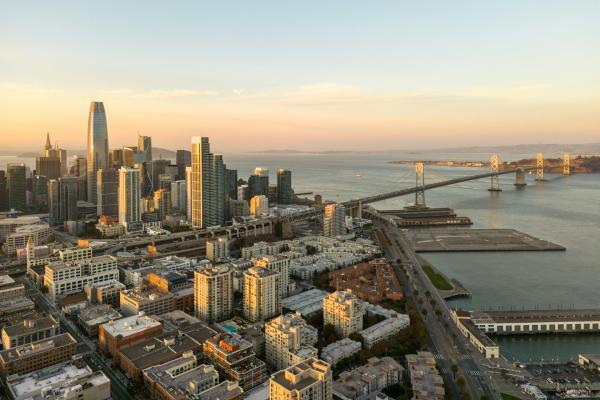
San Francisco is experiencing a quiet cultural revival driven by shared spaces and grassroots creativity. 📌 New media hubs and independent bookshops are emerging alongside established literary festivals, proving that local arts thrive through community collaboration rather than isolation.
📊 KALW public radio recently celebrated its move into Warfield Commons. The ribbon cutting featured aerial performances and drew crowds from passing tour buses. Beyond broadcasting, the facility hosts multiple arts and media groups. This shared environment encourages unexpected conversations between organizations ranging from the San Francisco Public Press to Vietnamese diaspora art collectives. Cross pollination becomes the operational model.
Similar dynamics played out at the South Asian Literature and Arts Festival in Menlo Park. Writers from diverse genres discussed common ground during panel discussions. The event emphasized human connection over traditional publishing metrics. Audience members engaged with poetry, fiction, and memoirs while networking under open skies. 📜 These gatherings demonstrate that cultural value lies in bringing disparate voices together. Shared physical venues act as catalysts for ideas that would otherwise never intersect.
Local streets are witnessing a targeted resurgence of specialized retail. Bookstores focusing on Latino literature, curated Asian titles, and romance narratives have opened their doors. These businesses operate successfully despite broader complaints about declining reading habits and screen time dominance. The architectural reuse of historic buildings supports this trend. Warfield Commons sits directly next to the grand Warfield Theatre, anchoring a district dedicated to performance and media. Local creators are actively reclaiming commercial real estate for cultural purposes.
San Francisco has long navigated economic cycles driven by technology sector expansions and contractions. Past cycles saw major chains absorb independent shops before ultimately retreating. Yet creative industries historically adapt by thriving in transitional urban cracks. Previous waves of market displacement prompted recent efforts to secure stable zoning protections for cultural districts and support affordable commercial leases.
The current wave of gallery openings, radio relocations, and literary festivals signals a deliberate return to place based community building. Residents can support this momentum by attending local panels, visiting neighborhood bookshops, and utilizing shared civic spaces. Creative ecosystems grow strongest when people intentionally gather to exchange perspectives.