Tuesday, 27 October 2026, 5:13
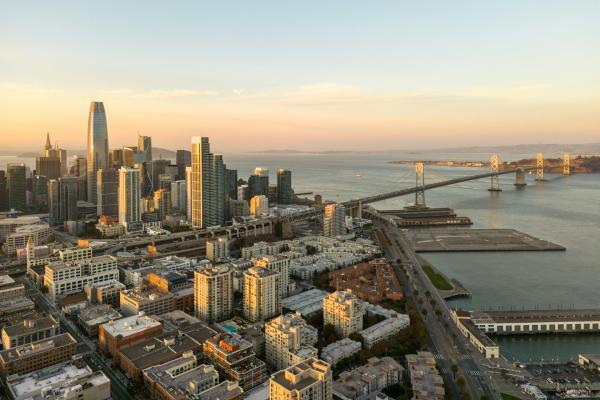
San Francisco transforms into a vibrant cultural hub this weekend as residents and visitors converge for a packed schedule of festivals, exhibitions, and performances. The city continues to leverage its artistic infrastructure to foster community connection and economic activity across multiple neighborhoods.
This week features a strategic mix of large-scale public gatherings and intimate gallery showcases. Headliners include Hardly Strictly Bluegrass, which returns to Hellman Hollow in Golden Gate Park as a free civic festival originally funded by Warren Hellman. The event anchors the weekend with outdoor music programming that consistently attracts massive crowds.
Beyond the bluegrass festival, the city offers a concentrated run of live performances. An evening honoring Steve Earle takes place at The Masonic, featuring prominent peers and protégés celebrating a five-decade career. Additional shows at The Chapel and the Palace of Fine Arts round out a diverse musical calendar that bridges folk, psychedelic rock, and traditional Latin influences through artists like Yasmin Levy.
Visual arts programming emphasizes accessibility and creator visibility. The Museum of the African Diaspora launches Nexus Black Art Week, coordinating dozens of exhibitions and immersive experiences throughout the Bay Area. Meanwhile, the 1890 Bryant building opens its former industrial floors to showcase working studios for both established and emerging makers. Galería de la Raza continues its AO Artists’ Ouevres series, providing grants and exhibition space to highlight immigrant narratives and belonging.
Cultural identity remains central to the weekend itinerary. The 52nd Annual Castro Street Fair revitalizes the corridor between 16th and 19th Streets, continuing traditions started by Harvey Milk that blend civic engagement with music and drag performance. ODC Dance Company presents El Movimiento Nos Une, a free Latino Heritage Month showcase featuring Afro Colombian and Bachata instructors. Book author and detained activist Mahmoud Kahlil also connects with audiences in nearby Oakland for a discussion on resistance and justice.
San Francisco’s neighborhood-by-neighborhood approach to cultural programming demonstrates how municipal spaces and independent venues operate in tandem. Venues like Golden Gate Park, the Castro district, and the 1890 Bryant industrial zone temporarily shift their primary functions to accommodate high-volume public assembly. This model relies heavily on local volunteer networks, municipal permitting offices, and regional transportation systems to manage crowd flow and safety protocols.
Large-scale free festivals have long served as economic stabilizers for San Francisco during traditionally slower seasonal windows. The city’s history of supporting artist-led initiatives dates back decades, evolving from grassroots community gatherings into formally structured cultural weeks that attract regional tourism and sustain independent galleries.
Residents planning to attend should verify venue hours, parking availability, and transit routing ahead of arrival. The concentration of events across multiple districts requires careful scheduling to maximize exposure while avoiding congestion. Engaging with these programs directly supports local creatives and reinforces the city’s reputation as a national center for independent arts and cultural preservation.