Friday, 2 October 2026, 12:18
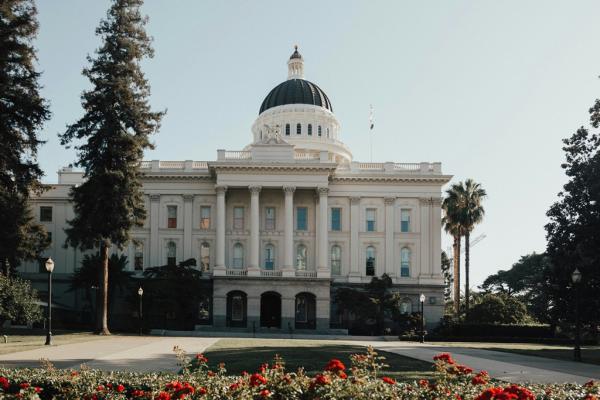
California lawmakers have delivered a heavy legislative slate this week, fundamentally reshaping state policy across multiple sectors. Governor Gavin Newsom recently signed a series of measures addressing media sustainability, immigration enforcement, public safety, and consumer health. These actions underscore the state continued commitment to advancing progressive policies while actively pushing back against federal initiatives.
The newly enacted measure AB 2222 allocates approximately $55 million annually over five years to support struggling newsrooms. The legislation provides tax credits of $20,000 for each of the first five full time journalists hired and $15,000 for additional staff members. This financial injection aims to counteract a severe industry contraction that has already eliminated 41 percent of California newspapers since 2005. Industry leaders praised the move as a vital step toward preserving community reporting on city councils, courts, and local sports. Critics from taxpayer groups opposed the funding mechanism, which eliminates corporate deductions for executive compensation exceeding $1 million. The governor also highlighted a separate $20 million Civic Media Fund backed by Google to further stabilize independent publishers.
In a significant standoff with Washington, the governor approved more than twenty bills designed to limit federal immigration enforcement within state borders. A standout provision creates a statutory pathway for residents to sue federal officers for constitutional violations, effectively closing accountability loopholes. Lawmakers also banned the use of electric shock gloves by any law enforcement agency operating in California. Additional measures prohibit federal agents from wearing face coverings during operations and impose a twenty five percent tax on companies operating immigration detention facilities. State officials plan to extend attorney general oversight powers to investigate conditions inside private detention centers, responding to documented reports of overcrowding and inadequate medical care.
Beyond immigration and media policy, the legislative package introduces direct reforms to public safety and everyday consumer interactions. Assembly Bill 1941 targets organized metal theft rings responsible for stripping copper wiring from streetlights and telecommunications infrastructure. The new statute establishes tiered misdemeanor and felony penalties, giving prosecutors stronger tools to dismantle criminal networks. Meanwhile, Senate Bill 869 mandates that restaurant chains with twenty or more locations display a black triangle warning icon next to beverages containing fifty grams of added sugar. Health advocates argue the labeling will empower families to make better dietary choices, though industry representatives warn of compliance costs.
Survivors advocacy groups celebrated the passage of legislation that completely repeals provisions allowing minors to marry with parental consent. The law sets the absolute minimum age for marriage and domestic partnerships at eighteen years old. This reform aligns California with seventeen other states that have implemented total bans on child marriage. Advocates emphasized that the legislation removes legal avenues for coercion and protects vulnerable youth from forced unions hidden behind ceremonial appearances.
These legislative changes will immediately impact municipalities and businesses across the Golden State. Local governments must now navigate stricter regulations when dealing with federal immigration operations and infrastructure replacement costs tied to metal theft. Restaurant operators and franchise owners face immediate menu redesign requirements to comply with the new beverage warning standards. Meanwhile, independent newspapers and broadcast stations stand to gain crucial financial stability, ensuring continued coverage of regional government meetings and community events that have long faced editorial cutbacks.
We think this is nation leading and could not have come at a more important time. Darkness in Washington D.C., and daylight here in California. The contrast could not be more acute.
California has increasingly positioned itself as a policy laboratory, frequently enacting statutes that challenge federal directives or fill regulatory gaps left by national administrations. Recent years have seen intense political friction over environmental protections, labor standards, and immigration jurisdictions. This latest wave of legislation continues that tradition, leveraging state budget authority and statutory power to enforce distinct governance models. The economic pressures on traditional media and the rise of automated enforcement technologies previously prompted earlier pilot programs and task forces before reaching this final legislative stage.
The governor signing ceremony marked a decisive moment for state policy makers navigating complex federal state dynamics. Residents can expect measurable shifts in local news coverage, business menu displays, and law enforcement protocols over the coming months. Stakeholders should monitor upcoming implementation guidelines and potential court challenges that may reshape how these measures operate in practice.