Monday, 22 June 2026, 8:59
(Source: Source )
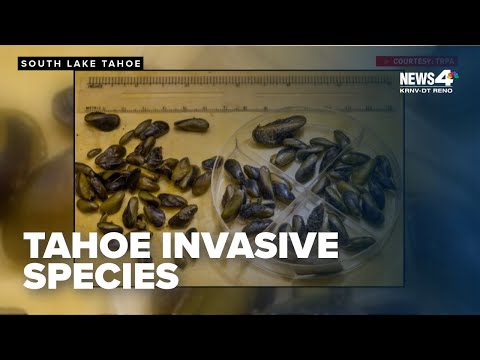
Lake Tahoe, a cherished natural gem straddling the California-Nevada border, is confronting a new threat from invasive golden mussels, yet ongoing conservation programs are demonstrating resilience and progress. Watercraft inspectors from the Tahoe Regional Planning Agency (TRPA) and Tahoe Resource Conservation District recently detected the invasive mollusks on boats, swiftly flagging them for decontamination and further inspection.
This marks the third golden mussel detection at Lake Tahoe since the species was first discovered in North America just a few hours away. Golden mussels, described as "invasive species on steroids," exhibit extraordinary survivability and reproduction rates, even surpassing quagga and zebra mussels, which the region's watercraft inspection program has successfully kept out of Tahoe for nearly two decades.
An infestation could devastate the lake's ecosystem and shoreline areas where residents and visitors swim, paddle, and enjoy the beach. The inspection program, which mandates checks of thousands of motorized watercraft annually, is designed to lower the risk of new aquatic invasive species polluting the waters.
This partnership of agencies, marinas, inspectors, public land managers, and boaters who keep their equipment Clean, Drained, and Dry has made the Lake Tahoe Watercraft Inspection Program a national model for invasive species prevention. Vigilance is growing among non-motorized recreators too; over 8,000 residents and visitors have become Tahoe Keepers, trained in Clean, Drain, and Dry practices for paddleboards, kayaks, fishing equipment, and beach toys.
Solar-powered CD3 stations are located at popular beaches and river access points, and roving inspectors and Lake Tahoe ambassadors educate thousands heading for the water. At its core, the Watercraft Inspection Program aims to keep Lake Tahoe clean and clear for current and future generations.
This vision has driven conservation for decades. In the 1960s, scientists with UC Davis Tahoe Environmental Research Center documented a troubling decline in lake clarity due to unmanaged development that damaged wetlands and allowed pollutants to flow freely.
The creation of TRPA in 1969 by Nevada and California helped enact policies to protect wetlands, set growth limits, and require water quality improvements, preventing a city rivaling San Francisco from being built at Lake Tahoe. However, protection alone wasn't enough; it wasn't until TRPA paired land-use protections with active restoration through the Lake Tahoe Environmental Improvement Program (EIP) in the late 1990s that clarity began leveling off.
The recently released 2025 clarity report shows an average clarity of 69.2 feet, a 7-foot improvement from 62.3 feet in 2024, though this is not statistically different from recent years due to low summer clarity. The goal remains to restore clarity to its past depth of 100 feet, requiring deeper understanding of driving forces.
TRPA is working with the Tahoe Science Advisory Council to study changes in lake ecology, warming temperatures, weather patterns, and impacts of earlier aquatic invasive species. The community behind these efforts—researchers, boaters, inspectors, Tahoe Keepers, and EIP partners—provides reason for optimism.
Julie W. Regan, Executive Director of TRPA, emphasizes the irreplaceable nature of the lake and the collective resolve to protect it.
© California Today. All rights reserved.