Inflation in the United States has climbed above 4% for the first time in over three years, driven primarily by a sharp increase in gasoline prices linked to the ongoing conflict with Iran. According to a report released Wednesday by the Labor Department, consumer prices in May rose 4.2% compared to the same period last year, marking the largest annual increase since April 2023.
The surge was largely fueled by energy costs, which accounted for more than 60% of the monthly rise in the Consumer Price Index (CPI).
Gasoline prices have jumped by more than a dollar per gallon since the war began, as disruptions to shipping traffic in the Strait of Hormuz—a critical passage for global oil supplies—have tightened the market. The national average price for a gallon of gas now stands at $4.15, according to AAA, which is about $1.17 higher than pre-war levels.
Higher fuel costs have also pushed up airfares, with airline tickets costing approximately 27% more than they did a year ago.
While grocery prices remained relatively stable, rising only 0.1% in May, the overall inflationary pressure has eroded workers' purchasing power. The Labor Department reports that average wages have increased just 3.4% over the past year, meaning real spending power has declined for many households.
Core inflation, which excludes volatile food and energy prices, stood at 2.9% for the 12 months ending in May, a slight increase from the previous month.
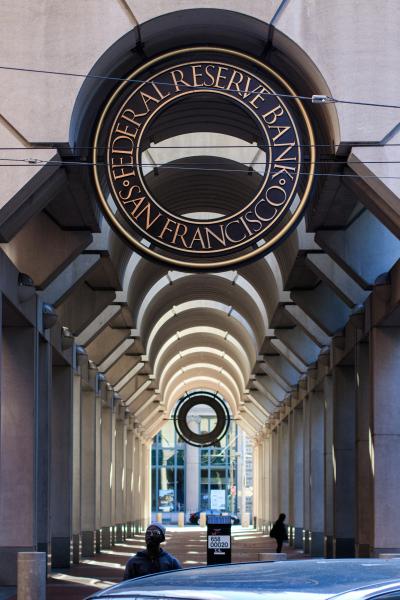
The persistent inflation makes it unlikely that the Federal Reserve will cut interest rates in the near future, especially as the job market shows signs of stabilization. Employers added 172,000 jobs last month, indicating continued economic resilience.
However, there is some cautious optimism on the horizon: gasoline prices have eased slightly in recent days amid hopes for a negotiated settlement between the U.S. and Iran.
For residents of Modoc County and the town of Likely, the impact of higher fuel costs is felt acutely, as rural areas often rely heavily on personal vehicles for transportation and have fewer alternatives to absorb rising expenses.