Tuesday, 27 October 2026, 5:10
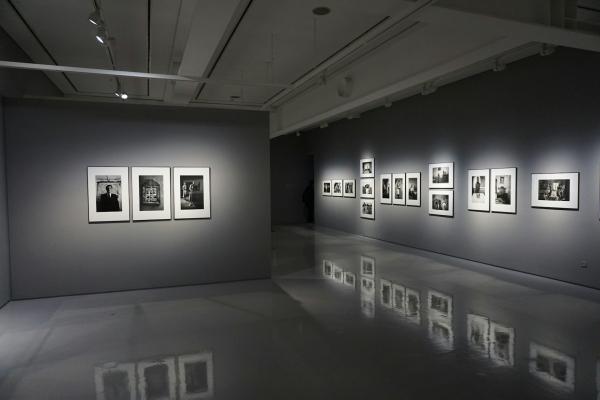
The Fullerton Museum Center has unveiled a unique and thought-provoking installation titled Final Rites. Running through January, this interactive exhibition challenges visitors to confront mortality while celebrating historical curiosity. By weaving together science, folklore, and Victorian-era traditions, curator Georgette Collard has created a family-friendly space designed to demystify death and spark meaningful dialogue.
Inspired by the television series 1000 Ways to Die, the first gallery focuses on unexpected causes of fatality. Visitors encounter a grizzly bear next to a climbing skeleton, only to learn that fatal ladder accidents significantly outnumber bear attacks. Another display reveals that falling vending machines pose a greater threat than sharks. Historical hazards also take center stage, including uranium glassware purchased at a local antique shop, mercury-based Mercurochrome, arsenic-laced Victorian cosmetics, and opium pipes. A massive mosquito sculpture highlights the insect as Earth's deadliest animal. These comparisons force attendees to reconsider modern safety assumptions and ponder which contemporary items might become lethal over time.
Moving beyond physical dangers, the exhibition transitions into historical mourning rituals. A replica Victorian mourning room features stopped grandfather clocks, wicker caskets, and mirrors draped in black fabric. Artifacts such as post-mortem photographs and widow accessories illustrate how grief was traditionally expressed. Hair jewelry and lockets containing deceased relatives' ashes draw direct parallels to modern cremation keepsakes. The final gallery mimics a nineteenth-century fortune-telling parlor, showcasing tarot cards, scrying mirrors, and Ouija boards. While acknowledging the ideomotor effect explains planchette movement, the curator maintains a neutral stance, allowing guests to form their own beliefs. Religious objections are respected by housing spiritual artifacts in a separate, easily bypassed room.
Located in Fullerton, Orange County, the exhibit reflects the community's appreciation for unconventional education and local history. Beyond the main displays, the museum offers supplementary programming including taxidermy workshops, Haunted Fullerton walking tours, and a Noche de Muertos festival. These events integrate the exhibition into broader regional cultural conversations, making it accessible to diverse audiences seeking both entertainment and historical insight.
Death has always been a subject of fascination, yet public discourse often remains taboo. Historically, societies handled mortality with intimate rituals, from home-based wake services to intricate hair-weaving techniques. The Final Rites exhibit bridges past and present by demonstrating how technological and medical advancements have altered our relationship with danger and remembrance. By presenting factual data alongside historical artifacts, the museum transforms a traditionally somber topic into an engaging learning experience.
The Final Rites exhibit successfully transforms a complex subject into an accessible, visually striking, and intellectually stimulating experience. Visitors leave with a deeper understanding of historical mourning practices, surprising statistical realities, and new perspectives on modern safety. For residents and tourists alike, the installation serves as a compelling reminder that confronting mortality can foster appreciation for life. Plan your visit before the January closing date to explore this one-of-a-kind cultural offering.