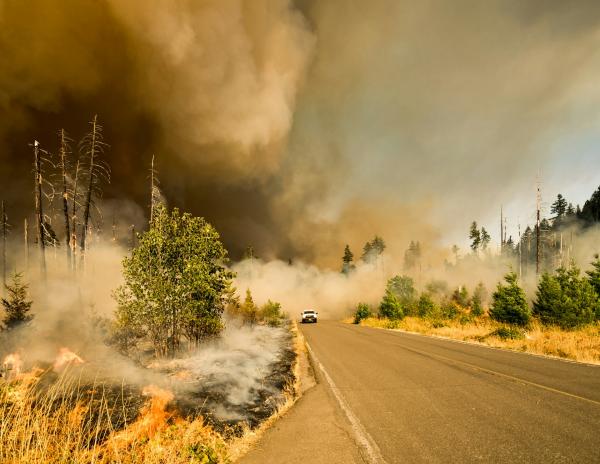
A devastating wildfire on Santa Rosa Island, part of Channel Islands National Park off the coast of Ventura, has become the largest in the park's recorded history, burning nearly 29 square miles and leaving the fate of rare plant and animal species uncertain. The fire, which started on May 15, is now fully contained, but officials say the recovery will be a multi-year effort.
The blaze, described as "human caused," is believed to have started after a sailboat crashed onto the island's rocks, stranding a mariner overnight. Gale-force winds initially prevented firefighting resources from reaching the remote island, allowing the flames to spread rapidly.
Within a day, the fire had burned nearly 1,000 acres, and it continued to grow, destroying at least two historic structures.
Park Superintendent Ethan McKinley described the early days as "grim," noting that water drops from aircraft were ineffective due to high winds. Firefighters managed to save key infrastructure, including the main ranch and campground, but the fire swept through Water Canyon and burned through a rare stand of Torrey Pines.
These trees are found in only two locations in the world, and their survival remains uncertain.
"I still don't know if we're grieving those, or if it's a high percentage of those that are going to survive," McKinley said.
The fire also threatened the island's unique wildlife, including the small, cinnamon-colored island fox, which likely outran the flames but now faces reduced habitat. Several plant species found only on Santa Rosa Island, as well as endangered or threatened species, were also within the burn area.
A Burned Area Emergency Response team, including biologists and paleontologists, arrived late last week to assess the damage and develop a recovery plan. The team will also evaluate the risk of debris flows and examine vulnerable resources, including protected black abalone beds—a first for team leader Jack Oelfke.
Santa Rosa Island will remain closed to the public through at least June 30 due to safety concerns, including eroding hillsides and hazardous trees. Officials hope to restore access as quickly as possible.
The fire's severity was relatively low overall, according to satellite images, but some areas burned intensely. The park's decades of monitoring data are expected to aid recovery efforts, which McKinley described as "a very intensive, multi-year, painstaking effort."