Monday, 22 June 2026, 5:02
(Source: Source )
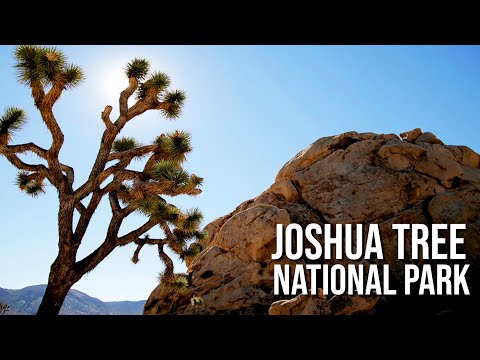
Riverside County's Joshua Tree National Park, located near Coachella, offers a landscape that at first appears harsh and unforgiving. Massive boulders rise from the desert floor, knotted trees seem frozen in time, and the sun beats down on terrain that looks nearly lifeless.
However, spending even a few hours reveals a different picture: the park is a place of contrasts—rugged yet peaceful, barren yet full of life, isolated yet visited by millions annually. Artists, photographers, hikers, rock climbers, campers, and stargazers all come seeking something different, and most leave with the same feeling: they have experienced one of California's most remarkable landscapes.
Covering nearly 800,000 acres where the Mojave and Colorado deserts meet, the park is named after the iconic Joshua tree, a member of the yucca family. Early Mormon settlers reportedly believed the tree's outstretched branches resembled the biblical Joshua reaching toward the heavens, giving the species its famous name.
The trees are only part of the attraction. Throughout the park, enormous granite rock formations create a landscape distinct from anywhere else in Southern California.
Millions of years of geological processes pushed the rocks upward before wind and water sculpted them into dramatic formations. Popular destinations include Skull Rock, a natural formation carved by centuries of erosion, and Hidden Valley, which offers accessible hiking amid towering rock walls.
The area was once rumored to be used by cattle rustlers hiding stolen livestock. For panoramic views, Keys View provides one of the region's most spectacular overlooks.
At over 5,000 feet in elevation, visitors can see the Coachella Valley, the San Andreas Fault, and on exceptionally clear days, even Mexico.
Visitors should plan ahead, as temperatures can exceed 100 degrees for much of the year and services inside the park are limited. Travelers often drive dozens of miles between destinations, making water, sunscreen, and a full tank of gas essential.
Park officials recommend carrying more water than you think you'll need. The park's beauty changes dramatically throughout the day, with sunrise coloring the landscape in gold and orange, and sunset creating extended shadows that transform familiar scenes.
Photographers often arrive before dawn and stay long after sunset to capture the park's changing moods.
When darkness falls, another attraction emerges. Joshua Tree is internationally recognized for its exceptionally dark skies, far from the bright lights of major cities.
On clear nights, the Milky Way stretches across the heavens in breathtaking detail, and meteor showers, planets, and remote galaxies become visible to the naked eye. This has made the park a favorite for astronomers, photographers, and anyone seeking a reminder of the universe's vastness.
Wildlife flourishes in this seemingly adverse environment. Desert cottontails, jackrabbits, coyotes, and roadrunners are common sights.
Bighorn sheep navigate rocky slopes, and dozens of reptile species have adapted to the desert climate. Spring often brings colorful wildflower blooms that briefly transform the landscape.
The park's unique atmosphere has also attracted generations of artists and musicians. Nearby communities such as Twentynine Palms and Yucca Valley have developed a creative culture with art galleries, music venues, and shops drawing visitors seeking inspiration beyond the park's boundaries.
For many, the greatest attraction is the silence. In a region dominated by freeways and constant activity, Joshua Tree offers space to slow down.
The vast landscape encourages visitors to disconnect from their phones and simply observe the world around them. Whether climbing among giant boulders, hiking desert trails, watching the sunset from a rocky overlook, or gazing at stars on a moonless night, visitors often discover that Joshua Tree is more than a national park—it is an experience.
The desert does not reveal itself all at once; instead, it unfolds slowly, rewarding those willing to pause and appreciate the beauty concealed within its rough terrain. That is why so many return again and again.
The landscape here is not merely something to see—it is something to feel. The peace, light, rocks, and stars combine to create a place that remains in memory long after visitors return home, making Joshua Tree one of California's true natural treasures.
© California Today. All rights reserved.