Monday, 22 June 2026, 5:02

(Source: Source )
(Source: Source )
Parts of California are facing an elevated risk of drought this summer as the state's mountain snowpack has dwindled to near-zero levels in some areas, according to the U.S. Drought Monitor and the California Department of Water Resources.
As of mid-June, moderate drought conditions have been declared in Del Norte, northern Humboldt, and western Siskiyou counties, as well as in eastern San Bernardino County in the southeastern part of the state. The rest of Northern California and the eastern half of the state are experiencing unusually dry conditions following a heat wave that baked the West.
Drought conditions could spread to other parts of California, including Shasta and Siskiyou counties, which are facing hotter-than-average temperatures.
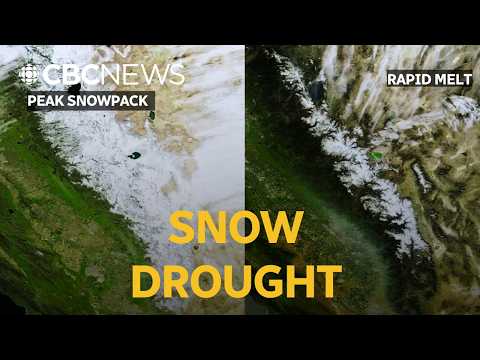
The primary cause of the drought risk is unusually warm weather patterns in early spring, the Department of Water Resources reported. Warm storms brought more rain than snow to some mountain areas, causing the snowpack to melt and wash away earlier than normal.
While state reservoirs are more full than average as of June 16, they rely on snowmelt to replenish them throughout the summer and into autumn. Less snowpack means less water stored to melt slowly, increasing the likelihood of water shortages later in the year.
Snow levels dropped dramatically in June. The Department of Water Resources reported that snowpack in the Northern Sierras and Cascades fell to 0% of average, while the Central Sierras saw only 4% of average and the Southern Sierras 15%.
Climatologists had seen the problem brewing early in the year. Winter storms were warmer than usual, and when it was too warm to snow, rain fell instead, washing away snow at lower altitudes.
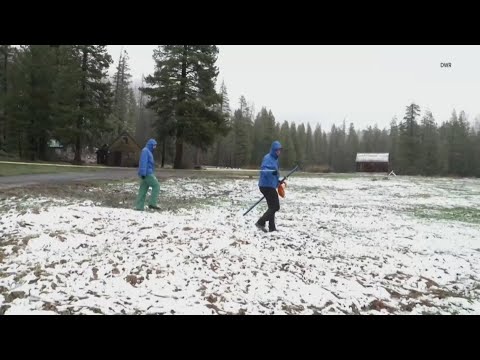
Record-high temperatures and a very dry March reached mountain areas and other parts of the state, melting much of the snow. By April 1, snowpack had fallen to 18% of average, and state surveyors in Northern California reported finding no measurable snow in the Sierra Nevada Mountains—a stark indicator of how record-hot March temperatures and high-elevation rain erased snowpack months ahead of schedule.
Drought conditions typically impact agricultural industries first, especially ranchers who graze livestock, the Department of Water Resources said. Early drought also hurts rural Californians who rely on private wells, as well as fish and other wildlife dependent on small streams.
People and animals in large urban areas with agencies that have multiple water sources usually don't feel the effects of drought as quickly. The situation remains fluid, with state officials monitoring conditions closely as summer begins.
© California Today. All rights reserved.