Monday, 19 October 2026, 13:42
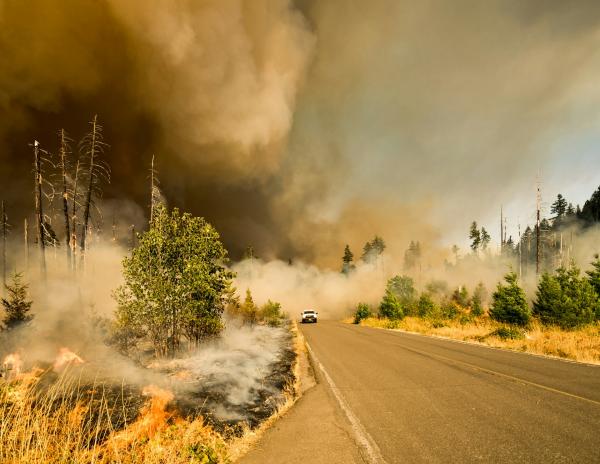
A recent investigation reveals a significant shift in how California manages federal disaster relief following devastating wildfires. Rather than directing funds directly to property owners who lost everything, state agencies have prioritized large-scale affordable housing projects.
According to reports, the California Department of Housing and Community Development distributed $368.7 million to developers for low-income housing initiatives. These awards came from a larger pool of over $1 billion in federal aid approved by the Department of Housing and Urban Development. The money was originally intended to cover recovery costs not paid by insurance. However, developers received these grants without any contractual obligation to prioritize displaced fire survivors.
In contrast to the developer allocations, only $222.4 million was specifically earmarked for homeowners. Records show that just $38 million of that amount had been utilized to rebuild 110 homes by late 2023. Eligibility for state rebuilding aid was restricted to low and moderate income households, with insurance payouts further reducing available support. Many survivors found themselves navigating complex eligibility criteria while waiting for substantial construction support.
The allocation strategy has drawn mixed reactions across affected regions. In Agoura Hills, community development officials confirmed they held no authority over site selection or funding amounts for nearby developments. Similarly, Butte County representatives noted they were shut out of decisions regarding projects like the Eaglepointe Apartments in Paradise. Of the forty two units in that facility, only seven were reportedly assigned to Camp Fire survivors.
The City did not have any role in selecting the project, the site, or the funding amount, stated Robby Nesovic, Agoura Hills Community Development Director.
Housing advocates argue that this approach leaves vulnerable populations behind. Mickey Schechter, who lost his home in the Woolsey Fire, expressed frustration over the disparity. He continues to live in a small guesthouse and emphasizes that survivors bear the brunt of the financial burden while federal dollars flow elsewhere.
These funding decisions stem from the aftermath of California record breaking wildfire seasons. The 2018 Camp Fire claimed eighty five lives in Paradise and destroyed fourteen thousand residences. Two years later, the Woolsey Fire swept through the Santa Monica Mountains, killing three individuals and causing over six billion dollars in damage. As reconstruction efforts stretched into subsequent years, policy makers faced intense pressure to balance immediate survivor needs with long term housing infrastructure goals.
The reallocation of federal disaster relief highlights an ongoing tension between rapid housing development and direct survivor assistance. While state officials maintain that expanding affordable inventory ultimately benefits displaced families, many residents continue to struggle with rebuilding delays. Community leaders are now urging greater transparency and localized decision making to ensure disaster funds directly reach those who suffered the most.
Sources and Materials