Tuesday, 27 October 2026, 7:07
The Beatles concluded their final United States tour with a legendary performance at San Francisco's Candlestick Park on August 29, 1966. While millions watched from the stands, a select few experienced the concert from behind the scenes. A recent archival recollection reveals how a local ten-year-old navigated the chaos to witness rock history firsthand.
Security personnel formed a protective corridor around the group, escorting them through packed stadium tunnels and past roaring crowds. The atmosphere inside the dressing area mirrored the chaotic energy of contemporary film depictions of the band. Reporters, road crew, and VIP guests crowded the space while musicians prepared for the stage. The young visitor stood as the sole child among industry professionals, observing the raw environment before the music began.
Each member of the band offered distinct interactions during the brief backstage meeting. Ringo Starr exchanged formal greetings while Paul McCartney acknowledged the guest with characteristic charm. John Lennon appeared focused amid interviews, holding a sneaker to maintain rhythm during conversation. The setting featured scattered catering supplies, multiple ashtrays, and an overall vibe reminiscent of a surreal tea party.
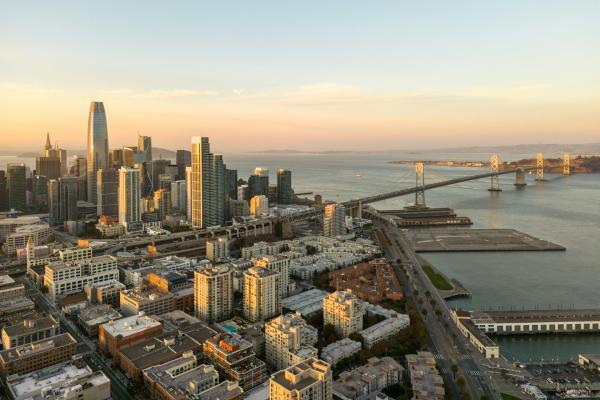
Candlestick Park served as a premier entertainment venue in the Bay Area for decades, hosting everything from NFL games to major music festivals. The stadium operated from 1971 until its closure in 2015, leaving a lasting imprint on local urban development. Neighborhoods surrounding the western edge of the city adapted to the massive footprint left by the former sports complex. The site continues to influence modern residential and commercial planning in San Francisco.
The Beatles had dominated global popular culture throughout the early nineteen sixties, sparking unprecedented fan enthusiasm across America. By mid nineteen sixty six, the group decided to cease touring to focus entirely on studio recording and artistic experimentation. Candlestick Park marked their official farewell to live performances, cementing its status as a pivotal moment in music history.
Decades later, these intimate accounts provide valuable insight into the human side of a globally iconic band. The combination of firsthand storytelling and professional photography preserves the legacy of the final tour. Readers interested in vintage music archives and Bay Area cultural history can explore newly published collections featuring exclusive imagery from the era.